Snagging Inspection Timing: When Off-Plan Buyers Should Book the DLP Window Sweep
Dubai off-plan buyers inherit a defined window where the developer carries defect rectification cost called the Defects Liability Period and the timing of snagging inspections within that window decides how much developer-cost rectification the buyer captures versus how much converts to owner-cost repair. This guide covers what the DLP is, when each inspection sweep should happen, how to decide between inspection depths by developer tier and property type and how to time bookings so no window is missed.
What the Defects Liability Period Is and Why Timing Matters
The Defects Liability Period (DLP) in Dubai off-plan contracts is a defined window after handover during which the developer remains liable for property defects. Standard DLP in Dubai runs 12 months from handover for most residential projects with longer coverage on structural items in many contracts. The buyer must identify defects and submit them to the developer within this window for rectification to sit with the developer rather than the owner. For buyers approaching the DLP cycle, the property snagging service in Dubai covers the inspection scope that commercial-grade snagging engagements deliver across the full window.
Types of DLP Coverage in Dubai Off-Plan Contracts
DLP terms vary by developer tier and contract specifics so understanding the coverage shape before booking inspections matters. For buyers reviewing their contract before Stage 1 inspection, the off-plan handover inspection in Dubai covers the inspection methodology that aligns with standard DLP terms.
- Standard 12-month DLP: Most mid-market Dubai developers offer 12 months post-handover coverage on finishing, functional, MEP and non-structural defects.
- Extended structural coverage: Many contracts extend DLP to 5 or 10 years on structural items such as foundation, load-bearing walls, waterproofing and envelope integrity.
- Appliance manufacturer coverage: Appliances and fitted equipment typically carry separate manufacturer coverage running 1 to 2 years independent of the developer DLP.
- Common area coverage: Shared building elements (lobby, lifts, common MEP) sit under building-management DLP terms which may differ from the apartment-level DLP.
Why Timing Within the DLP Decides Cost
Three timing patterns determine whether defects become developer-cost or owner-cost repairs. For buyers planning the sweep schedule structurally, the snag list in Dubai guide covers the systematic approach that supports developer-ready documentation at each sweep.
- Defects documented before possession signoff sit with the developer under the sale agreement and typically have the strongest rectification weight.
- Defects documented during the active DLP sit with the developer provided the submission references the DLP clause and includes evidence that the defect originated from construction rather than occupancy damage.
- Defects identified after DLP expiry typically become owner-cost repairs regardless of when the defect actually appeared, which makes pre-expiry inspection the final window to capture developer-cost rectification.
The Three Snagging Inspection Windows in the DLP Cycle
The DLP cycle has three practical inspection windows and each one catches different defect types that only become visible at that specific point in the occupancy timeline.
Window 1: Pre-Handover Snagging (Stage 1 Before Possession)
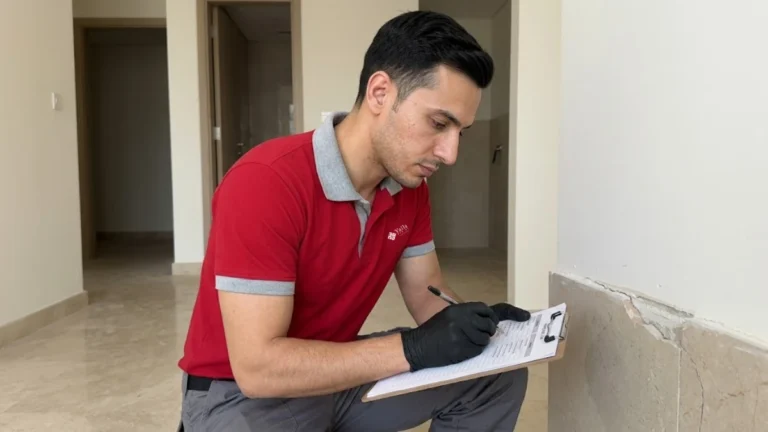
What it is: The initial snagging inspection before buyer possession identifies construction and finishing defects that exist at handover. This is the inspection that produces the primary snag list for developer rectification before possession signoff.
What it catches:
- All finishing defects visible without occupancy load (paint, tile, grout, trim)
- All functional defects testable at handover (doors, locks, cabinets, appliances)
- MEP defects detectable under cold-start conditions (plumbing, HVAC, electrical)
- Structural and envelope defects visible before furniture or fit-out
- Specification mismatches against the sale agreement
When to book: 2 to 4 weeks before scheduled possession signoff. Earlier booking gives developer time for rectification before signoff. Later booking creates deadline pressure that often results in waived re-inspection. Plumbing services in Dubai cover the plumbing diagnostic scope that supports MEP verification at Window 1.
Window 2: Mid-DLP Sweep (Around Month 6)
What it is: The mid-DLP inspection catches defects that emerged during the first 6 months of occupancy. These are defects that typically do not appear at handover but become visible after real occupancy loads (HVAC cycle load, plumbing pressure cycles, seasonal temperature range).
What it catches:
- Hairline cracks that appear after structural settlement under occupancy
- Grout and silicone failures around wet areas after real water exposure
- HVAC performance degradation beyond expected tolerance after full summer load
- Electrical issues not detectable under light cold-start load
- Door and window alignment issues that emerge under seasonal expansion
- Appliance performance issues within manufacturer coverage window
When to book: Month 5 to Month 7 after handover. This window captures first-summer HVAC performance degradation (critical for Dubai) and settlement-related defects that typically appear after 3 to 6 months of real occupancy. Electrical services in Dubai cover the DEWA-certified diagnostic scope that supports electrical defect verification at Window 2.
Window 3: Pre-Expiry DLP Sweep (Final Sweep Before DLP Ends)
What it is: The pre-expiry inspection catches final defects before the DLP window closes. This is the last opportunity to submit items for developer-cost rectification before all future defects convert to owner-cost repairs.
What it catches:
- Cumulative defects that developed over the full first year of occupancy
- Seasonal defects that only appeared during specific weather conditions
- Progressive issues that started small and became visible later
- Any Window 1 or Window 2 items that were not fully rectified
- Items that need final sign-off before DLP closes
When to book: 4 to 6 weeks before DLP expiry. This leaves enough window for developer rectification before expiry while catching any late-cycle defects. Handyman services in Dubai cover the finish rectification scope that buyers typically schedule for items the developer refuses to accept at Window 3.
Decision Framework: Which Sweep Schedule Fits Which Buyer
The sweep schedule depth varies by developer tier, property type and owner occupancy pattern. The tiers below show how approaches scale.
Prime Developer Properties with Strong DLP Terms
Properties from prime Dubai developers typically carry comprehensive DLP terms with structured defect submission portals and reliable rectification timelines. Yalla Fix It handles these with the standard three-window sweep schedule because the DLP terms support each window properly. Pre-expiry sweep is particularly worth running because prime developer processes handle rectification cleanly when properly documented.
Mid-Market Developer Properties with Standard 12-Month DLP
Mid-market properties typically carry standard 12-month DLP with less structured submission processes. Yalla Fix It handles these with the three-window sweep but with heavier documentation discipline at each stage so rectification requests carry proper weight. Window 3 is especially critical because mid-market developer DLP enforcement often tightens as expiry approaches.
Investor Units with Absentee Owners
Investor-held units where owners are absent from Dubai (international investors, portfolio owners) need scheduled inspection coordination that does not depend on owner presence at each window. Yalla Fix It handles these with coordinated reporting and photo documentation that lets absentee owners manage DLP submissions remotely. For investor owners planning long-term coverage after DLP expiry, home annual maintenance contracts in Dubai cover the service relationship that typically starts at DLP expiry.
Responsibility Allocation Reduces Three Specific Risks
Three risks drive why inspection timing matters beyond cosmetic concerns. Addressing each one at booking stage prevents the defect cost conversion that otherwise happens by default.
Risk 1: Defects that appear after DLP expiry become owner cost. The DLP window is time-bound. Defects not submitted during the window typically fall outside developer rectification scope regardless of when they actually originated. Scheduled inspection within the window is the only mechanism that captures the right defects for developer cost. For villa-tier buyers wanting ongoing coverage after DLP expiry, the villa annual maintenance contract in Dubai covers the service relationship structure.
Risk 2: Developer disputes defects as occupancy damage rather than construction defects. When defects are submitted mid-DLP, developers can reject items as owner-caused occupancy damage rather than construction defects. Documentation that references the sale specification and includes evidence of construction-origin rather than occupancy-origin removes this ambiguity. AC repair and maintenance services in Dubai cover the diagnostic documentation that supports MEP defect disputes with technical evidence.
Risk 3: Timeline slippage between submission and rectification pushes items past DLP expiry. Items submitted close to DLP expiry can slip past the window if developer rectification queues are long. Submission that leaves adequate rectification window prevents the pattern where submitted-but-unrectified items convert to owner cost. Painting services in Dubai cover the finishing rectification scope buyers sometimes schedule independently when developer timeline exceeds the DLP window.
Two Rules That Protect the Buyer Across the DLP Cycle
Two rules at each inspection booking reduce the risk that otherwise pushes defects onto owner cost.
Rule 1: Book each inspection with enough buffer for developer rectification before the next deadline. Window 1 should book 2 to 4 weeks before signoff. Window 3 should book 4 to 6 weeks before DLP expiry. Rushed bookings create pressure that leads to waived re-inspection or missed items. For buyers planning the broader coverage structure after DLP, annual maintenance contracts in Dubai cover the ongoing service relationship that typically starts at DLP expiry.
Rule 2: Document each sweep with photo evidence and timeline reference even when no defects are found. Documented sweeps across all three windows create audit trail that supports defect submissions and prevents developer rejection on documentation grounds. Undocumented sweeps that find no defects produce no evidence base when later defects emerge from issues that should have been visible earlier.
Choosing an Inspection Provider for the DLP Cycle
Cost for DLP cycle inspections varies based on measurable factors rather than flat pricing:
- Property size and specification complexity proportional to inspection labour and documentation time per window
- Number of windows booked single Window 1 only versus full three-window cycle
- Specialist scope inclusion MEP, structural and finishing specialists versus generalist inspection
- Dispute support written grounds for disputed items versus pure defect listing
- Reporting format basic report versus developer-ready submission package
- Absentee owner coordination standard delivery versus coordinated reporting for remote owners
Verify the provider has specific experience with the developer involved and understands that developer’s DLP submission portal and rectification process. Confirm the provider uses standardised inspection protocols with photo documentation at each window. Ask about Window 3 pre-expiry methodology specifically because that window has the tightest timeline risk. Request references from recent full-cycle engagements completed through to DLP expiry.
Common DLP Inspection Timing Mistakes Off-Plan Buyers Make
Buyers unfamiliar with the Dubai DLP cycle commonly encounter patterns of mistakes that convert developer-cost defects into owner-cost repairs.
- Skipping Window 1 inspection entirely under developer pressure to close handover quickly
- Treating Window 2 mid-DLP sweep as optional, which misses first-summer HVAC and settlement defects
- Booking Window 3 pre-expiry sweep too late to leave rectification time before DLP closes
- Submitting defects without photo documentation, which weakens dispute grounds when developer rejects items
- Assuming structural coverage runs 12 months when extended structural DLP typically runs 5 to 10 years
- Missing that appliance coverage runs under manufacturer terms rather than developer DLP
- Running Window 2 or Window 3 without specification reference, which misses defects against contracted standards
- Treating defect submission as a cosmetic exercise rather than a formal process with specific portal requirements
How Yalla Fix It Handles DLP Cycle Snagging in Dubai
Effective DLP cycle snagging requires methodology that addresses each window specifically rather than treating all three as identical inspections.
Pre-Handover Specification Review
Window 1 engagement starts with review of the sale agreement, specification sheets and finishing schedule so the inspector tests against contracted standards. The review feeds the inspection protocol for all three subsequent windows.
Three-Window Scheduled Calendar
Clients receive a scheduled inspection calendar covering all three windows with recommended booking dates based on handover and DLP expiry timing. Scheduled bookings prevent the pattern where owners miss windows through calendar drift.
Developer-Specific Submission Format
Snag lists and defect submissions are produced in the format each developer accepts, with specification references and photo documentation that reduces rejection on documentation grounds.
Mid-DLP Window 2 Specialist Scope
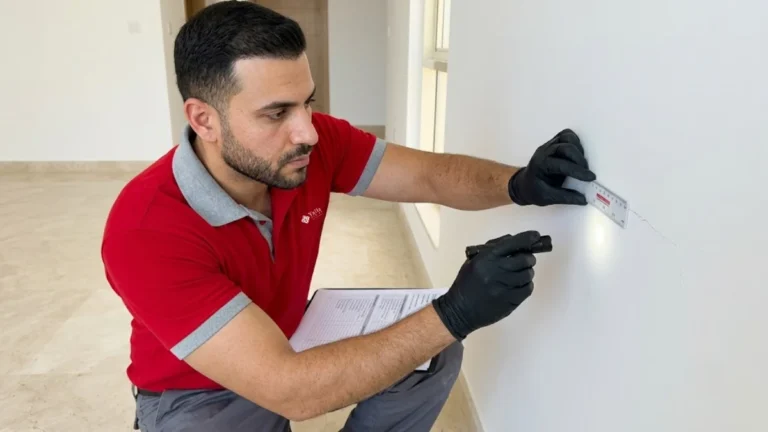
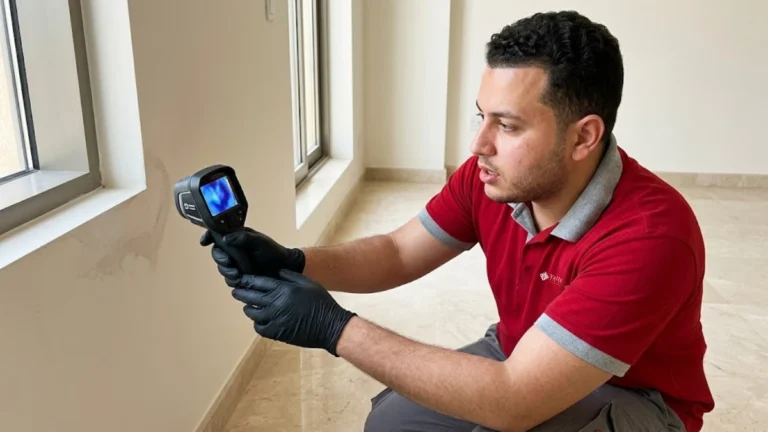
Window 2 inspection covers HVAC post-first-summer performance, settlement cracks, grout and silicone verification under real water exposure and seasonal joint issues. This differs from Window 1 scope and the inspection protocol reflects that.
Pre-Expiry Window 3 Coverage
Window 3 inspection covers cumulative defects, final sign-off items and any Window 1 or Window 2 items not fully rectified. Submission is timed to leave developer rectification window before DLP expiry.
Absentee Owner Coordination
For investor and remote owners, inspection reports are delivered in formats suitable for remote DLP submission management with coordination support for developer correspondence.
Why Yalla Fix It for DLP Cycle Snagging in Dubai
Yalla Fix It has delivered DLP cycle snagging across Dubai off-plan handovers with pre-handover specification review, three-window scheduled calendar, developer-specific submission format and absentee owner coordination. The team covers 10,000+ maintenance and repair jobs completed across Dubai properties and the technician bench is 75+ certified technicians. Every DLP engagement produces documented inspection records at each window suitable for defect submission and owner archives.
Coverage spans DLP cycle inspections across Downtown, Business Bay, Dubai Marina, Palm Jumeirah, Dubai Hills, Arabian Ranches, JBR and other Dubai residential communities.

Book DLP Cycle Snagging With Yalla Fix It
For off-plan buyers approaching Window 1, mid-DLP sweep or pre-expiry inspection, contact Yalla Fix It for a DLP cycle snagging engagement in Dubai and the workflow will be structured around specification review, scheduled window calendar and developer-ready submission at each inspection.
Frequently Asked Questions
What is the Defects Liability Period in a Dubai off-plan handover?
The DLP is a defined window after handover during which the developer remains liable for property defects. Standard DLP in Dubai runs 12 months on finishing, functional and MEP items with extended coverage of 5 to 10 years on structural items in most contracts.
How many snagging inspections should an off-plan buyer book in Dubai?
Three inspections cover the DLP cycle: Window 1 pre-handover before possession, Window 2 mid-DLP around month 6 and Window 3 pre-expiry before DLP ends. Each window catches different defect types that only become visible at that point in occupancy.
When should the mid-DLP sweep (Window 2) be booked?
Month 5 to Month 7 after handover. This window captures first-summer HVAC performance degradation (critical for Dubai) and settlement-related defects that typically appear after 3 to 6 months of real occupancy.
When should the pre-expiry DLP sweep (Window 3) be booked?
4 to 6 weeks before DLP expiry. This leaves adequate window for developer rectification before expiry while catching late-cycle defects that developed over the full first year of occupancy.
What happens to defects identified after DLP expires?
Defects identified after DLP expiry typically become owner-cost repairs regardless of when the defect originated. The pre-expiry Window 3 inspection is the final opportunity to capture developer-cost rectification before the window closes.
Can an absentee off-plan buyer still run DLP inspections?
Yes. Investor and remote owners can run coordinated inspections across all three windows with report delivery in formats suitable for remote DLP submission management. Physical owner presence at inspections is not typically required.
Does Yalla Fix It handle DLP cycle snagging across Dubai?
Yes. DLP cycle snagging coverage spans off-plan handovers across Dubai with pre-handover specification review, three-window scheduled calendar, developer-specific submission format and coordination support for absentee owners across all residential communities.