What Is Snagging in Real Estate? A Buyer’s Guide for Dubai Property
Snagging in real estate is a detailed property inspection that identifies construction defects, unfinished work, and installation issues before or shortly after handover. Professional inspectors assess structural finishes, plumbing, electrical systems, HVAC, doors, windows, flooring, and other key components, providing a documented snagging report so developers can rectify defects within the Defect Liability Period.
If you’ve bought or are buying property in Dubai, the word “snagging” has probably come up somewhere between signing the SPA and receiving the keys. For most buyers, it sits in the “I’ll figure that out later” pile, right until the moment it stops being a background term and becomes the difference between a smooth handover and a year of chasing repairs.
Most people buy property a few times in their entire lifetime. They’re not construction experts. And in Dubai’s fast-moving off-plan market, buyers are typically seeing the finished unit for the first time on handover day, standing next to a developer representative who wants them to sign the acceptance paperwork before they leave. This guide walks through what snagging in real estate actually means, why it matters more in Dubai than in most markets, and where to book a property snagging inspection in Dubai that gives you the leverage you need at handover.
What Is Snagging in Real Estate? A Simple Definition
Snagging in real estate is a formal defects inspection carried out on a newly built, newly renovated, or newly purchased property to identify every visible and hidden defect the developer or contractor is contractually required to fix. The output is a documented snag list: a written, photographed, itemised record of every issue, submitted to the developer for rectification at no cost to the buyer.
The term “snagging” comes from British construction industry vocabulary, where a “snag” refers to a defect or unfinished item on a nearly completed building project. In UK construction contracts, the “snag list” (also called a punch list) has been a standard deliverable at practical completion since the mid-20th century, formalising the buyer’s or client’s right to have defects rectified before final acceptance and payment release. The term entered Dubai’s property vocabulary through UK-trained developers, property consultants, and inspectors, and has since been embedded into the local handover process through the Real Estate Regulatory Agency (RERA) framework and the Defect Liability Period.
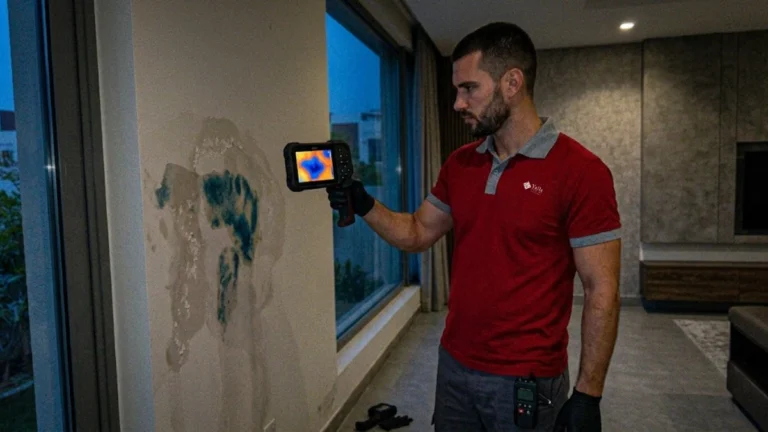
What is snagging in real estate today, in practical terms, means an engineered inspection process that catches what a rushed walkthrough cannot: bathroom waterproofing failures, AC commissioning gaps, hidden moisture behind walls, plumbing pressure inconsistencies, electrical polarity errors, and dozens of finish-level defects that seem invisible at first glance.
Why Snagging Exists in Dubai’s Real Estate Market
Understanding what is snagging in real estate is easier when you understand why it exists. New construction, anywhere in the world, produces defects. Even premium developers with tight quality control deliver units with dozens of items requiring rectification. The reasons are structural:
- Speed of construction: Dubai delivers tens of thousands of new units every year. High volume compresses the finishing timeline
- Trade layering: dozens of trades work on the same unit sequentially, producing coordination gaps
- Off-plan buying: most Dubai buyers see the completed unit for the first time at handover
- Buyer information asymmetry: developers know their standard defect patterns. Buyers don’t
- Climate stress: Dubai’s heat and humidity expose defects (waterproofing, sealant, AC commissioning) that stay hidden in milder climates
Snagging in real estate exists to correct this imbalance, giving the buyer an engineered, documented view of the property’s actual condition, backed by evidence the developer cannot easily dismiss.
What Is Snagging in Real Estate vs a Property Inspection?
The two terms are often used interchangeably, but they’re not the same:
Property inspection is a broader assessment of a property’s overall condition, structural integrity, and market value. It’s often used for resale purchases, mortgage requirements, or investment due diligence. The output is typically a condition report suitable for banks, insurance, or purchase decisions.
Snagging is specifically a defects-focused inspection at handover or during the Defect Liability Period. The output is a snag list structured for developer rectification, not for banks or insurers. Every item is written to prompt a fix, not to describe general conditions.
In Dubai, professional providers often deliver both under the umbrella of a snagging service, particularly for new-build handovers. But the core deliverable, the snag list, is what makes snagging distinct.
When Snagging Applies in a Dubai Real Estate Transaction
Snagging is not just for off-plan handover. In Dubai, it applies at several points across a property’s ownership cycle:
- Off-plan handover: the standard case, 1 to 2 weeks before signing the handover certificate
- End-of-DLP inspection (month 11): catch remaining defects before 1-year developer liability expires
- Resale property purchase: independent inspection before signing the SPA for negotiation leverage
- Post-renovation handover: after major renovation, before final payment to contractor
- Commercial fit-out completion: offices, retail, and hospitality fit-outs before tenant or operator acceptance
- Pre-tenant occupancy: landlords distinguish developer-fixable defects from tenant-caused damage
The common thread: a documented, written record of property condition at a defined moment in time, which protects the party with the greater risk exposure.
What Is Snagging: The Legal Framework in Dubai
Under Dubai’s real estate regulatory framework, developers carry defined liability for construction defects after handover:
- Finishing defects (paint, tiling, joinery, minor plumbing, AC commissioning): 1 year Defect Liability Period
- Structural defects (foundation, load-bearing elements, major waterproofing): 10 years
- Snag list submission: buyers have the contractual right to submit a defects report during the DLP and receive rectification at no additional cost
- Escalation path: unresolved disputes can be escalated to RERA, where a documented snagging report significantly strengthens the buyer’s position
The critical word is documented. Verbal complaints have no legal weight. A professional snagging report with photos, location references, and severity classification is what makes the framework work for the buyer. This is why a proper snagging checklist for new homes in Dubai is the evidence base that unlocks your DLP rights.
Who Pays for Snagging: Buyer, Developer, or Both?
Two-part answer:
The snagging inspection fee is paid by the buyer. The buyer engages a professional snagging company. The fee reflects inspection time (3 to 7 hours), technical tools (thermal imaging, moisture meters, borescope), and the documented report.
Rectification costs are paid by the developer. Every defect identified on the snag list is repaired by the developer at no cost to the buyer, provided the report is submitted within the DLP.
The economics almost always favour the buyer. Professional inspection fees are a fraction of the repair costs a buyer would carry alone if defects go unreported.
What a Professional Snagging Inspection Actually Covers
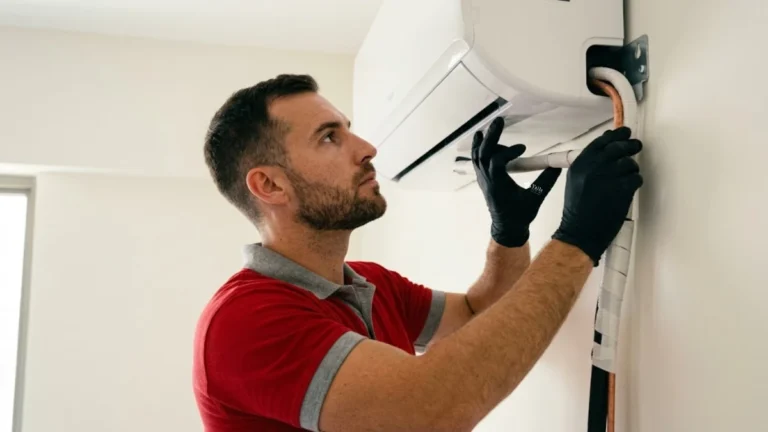
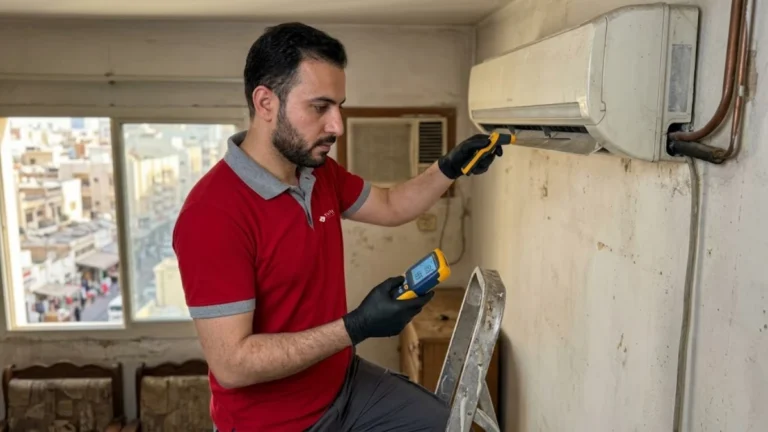
A professional snagging inspection covers 200 to 400 checkpoints in an apartment and 300 to 500 in a villa. Categories: structural elements, paintwork and finishes, tiling, doors and windows, plumbing, electrical, HVAC, kitchen and bathroom fittings, waterproofing, balconies and external areas, and documentation.
For what the resulting report should look like, see our building inspection report sample for Dubai.
What Is Snagging in Real Estate for Off-Plan vs Ready Properties?
The purpose is the same, but emphasis differs:
Off-plan snagging focuses on developer-specific defect patterns. Our guide on snagging by developer tier in Dubai walks through what each developer tier typically delivers.
Ready property snagging (resale) focuses on existing condition, previous repair history, and hidden damage that the seller may not have disclosed. The purpose shifts from developer rectification to buyer negotiation leverage.
Both benefit from independent inspection. A developer or seller carries a natural incentive to minimise perceived defects.
What Is Snagging in Real Estate for Villas vs Apartments?
Villa snagging includes everything on an apartment inspection plus significant additional zones: roof waterproofing, water tank installation, pump room, garden and irrigation systems, basement or maid’s room, garage door and remote systems, boundary walls, and multiple AC unit configurations. Villa inspections typically run 4 to 7 hours vs 2 to 4 hours for apartments.
Villa defect patterns also differ. Coastal exposure creates waterproofing risks that apartments in interior locations don’t face. Roof-adjacent systems (solar, water tanks, drainage) add inspection points that don’t exist in a mid-floor apartment.
Snagging Services in Dubai: Residential Properties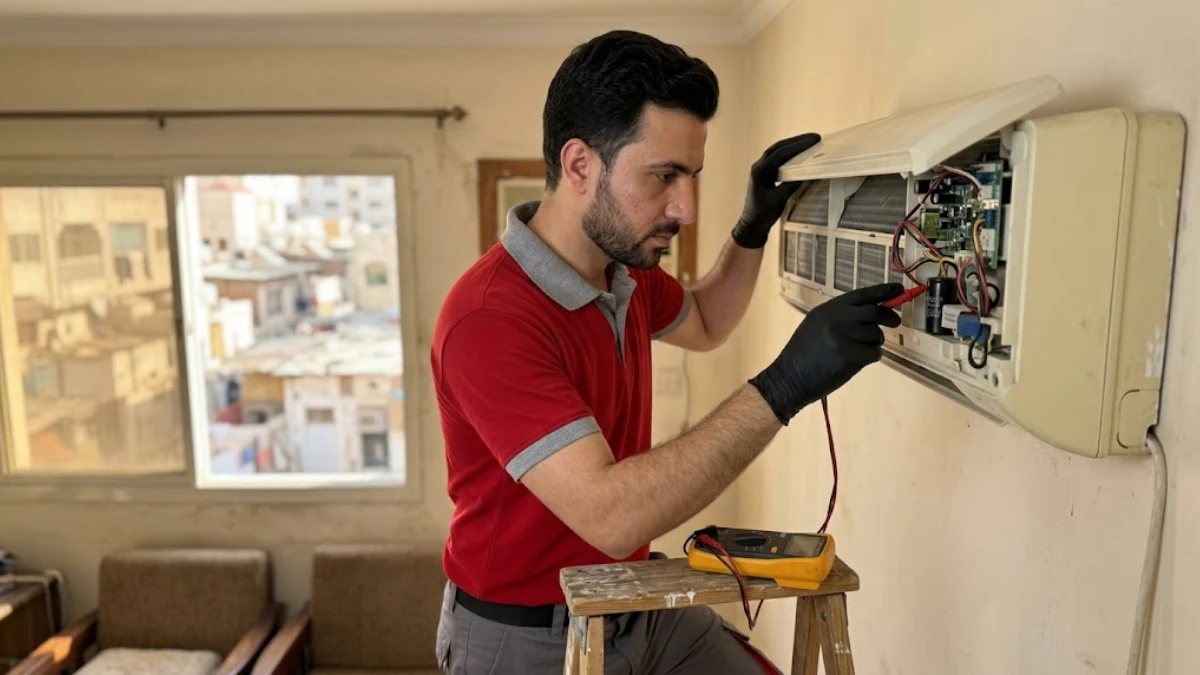
Residential snagging covers off-plan handovers, resale property inspections, end-of-DLP inspections, and post-renovation completions. Common scenarios: first-time buyers taking off-plan handover in JVC, Al Furjan, Downtown, or Dubai Hills; villa buyers in master-planned communities; overseas investors requiring a documented report to sign remotely; end-of-DLP inspections at month 11.
Yalla Fix It handles residential property snagging services in Dubai, covering off-plan handovers, resale purchase inspections, and end-of-DLP inspections. Every inspection produces a documented, developer-ready snagging report, and all work is completed by DEWA-certified technicians.
Snagging Services in Dubai: Commercial Properties
Commercial snagging carries different priorities: operational readiness, compliance documentation, and MEP systems that support commercial-load usage. Common scenarios: office fit-outs (HVAC commissioning for occupancy load), retail and F&B units (kitchen extraction, drainage), hospitality (consistent finish across multiple units), warehouse and industrial (floor levelling, loading dock function).
Yalla Fix It delivers commercial property snagging services in Dubai, covering offices, retail, hospitality, and industrial handovers. Every inspection produces reports suitable for developer rectification, insurance claims, and facility management handover packs.
The Real Cost of Skipping Snagging in Real Estate
Buyers who skip professional snagging usually justify it one of three ways:
- “The property looks fine”: fresh paint, gleaming tiles, and staged furniture hide most cosmetic defects. Waterproofing failures, hidden moisture, and MEP commissioning gaps are invisible to a walkthrough
- “The developer is reputable”: even premium developers deliver units with dozens of defects. Reputation determines the defect pattern, not the defect count
- “Inspection is an unnecessary cost”: unreported defects that surface after DLP expiration become owner-paid repairs. Post-DLP fixes typically route through handyman services in Dubai or specialist trades, all owner-paid
Buyers who transition from snagging directly into long-term care through an annual maintenance contract in Dubai close the gap entirely. Snagging catches developer-liable defects. AMC catches everything after.
When to Book Professional Snagging Services in Dubai
Book professional snagging if any of these apply:
- Taking handover of an off-plan property
- Month 11 of your DLP, catching defects before liability window closes
- Buying a resale property, wanting independent assessment before signing SPA
- Overseas investor, cannot attend handover physically
- Noticed defects after moving in, need a documented report to submit
- Villa or premium apartment where defect repair costs are significant
- Landlord preparing a newly built unit for its first tenant
Yalla Fix It’s snagging team inspects the property, documents every defect, delivers a developer-ready report within 24 to 48 hours, and supports you through the rectification process. All work is carried out by DEWA-certified technicians.
Snagging Isn’t Optional in Dubai’s Off-Plan Market
Yalla Fix It has completed 10,000+ maintenance and repair jobs across Dubai with a 95% customer satisfaction rate, 75+ DEWA-certified technicians, and 24/7 emergency support with a 30-minute response commitment. Contact us today to book a professional snagging inspection and make sure your handover leverage is documented properly.
Frequently Asked Questions
What does snagging mean in Dubai real estate?
Snagging in Dubai real estate is a formal defects inspection carried out on a newly built or newly purchased property to identify every visible and hidden issue the developer or contractor is contractually required to fix. The output is a snag list submitted to the developer for rectification at no cost to the buyer.
Is snagging legally required in Dubai?
Snagging itself is not legally mandated, but the Defect Liability Period during which developers must fix defects at no cost to the buyer is contractually and regulatorily defined. Snagging is the practical mechanism buyers use to exercise their DLP rights. Without a documented snag list, the DLP framework is difficult to enforce.
What is a snag list?
A snag list is the written, photographed, itemised record of defects identified during a snagging inspection. Each entry includes location, description, severity classification, and photo evidence. The snag list is submitted to the developer’s handover team for rectification.
Is snagging the same as a property inspection?
No. Property inspection is a broader assessment of a property’s overall condition, often used for resale or mortgage purposes. Snagging is specifically a defects-focused inspection at handover or during the DLP, structured for developer rectification rather than general condition reporting.
Does snagging apply to resale properties or only new builds?
Snagging can apply to both. Resale snagging focuses on existing condition, previous repair quality, and hidden damage that the seller may not have disclosed. It’s typically used to give the buyer documented leverage during price negotiation before signing the SPA.
What’s the difference between snagging and a structural survey?
A structural survey assesses the integrity of the building’s structural elements (foundation, load-bearing walls, roof structure) and is often required for mortgage or insurance. Snagging is broader in scope, covering finishes, MEP systems, and cosmetic elements, but shallower on structural analysis. Some professional providers offer both.
Who is responsible for snagging costs, buyer or developer?
The snagging inspection fee itself is paid by the buyer. The rectification of defects identified on the snag list is paid by the developer at no cost to the buyer, provided the report is submitted within the Defect Liability Period.
Can I include a snagging clause in my SPA when buying off-plan?
Yes, and it’s increasingly common. A well-drafted snagging clause specifies that the buyer’s obligation to sign the handover certificate is conditional on satisfactory rectification of items identified in a professional snagging inspection. Discuss the specific wording with your legal representative before signing.