Mold Removal Dubai: Moisture Source Identification Before Remediation Begins
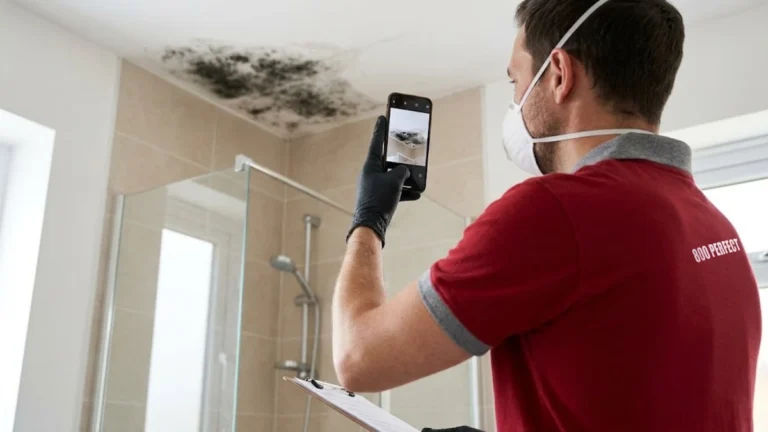
Mold is a symptom, not a disease. The disease is the moisture feeding it. When a Dubai property shows visible mold on a wall, ceiling or AC vent, the mold is a late indicator that water has been reaching that surface for weeks or months. Clean the surface without finding the water source and the mold returns within weeks because the conditions that produced it are still active. This guide covers the moisture sources that drive mold in Dubai properties, the diagnostic tools used before touching the mold, the steps before physical removal and the standards framework behind the method.
Why Visible Mold Returns Without a Moisture Source Fix
Mold needs three things to grow: a food source (paint, plaster, wood, dust), the right temperature range (which Dubai’s indoor environment stays inside year-round) and moisture. The first two are present in every property. Moisture is the only variable, which makes it the single lever that controls whether mold grows or dies.
In Dubai the moisture problem is specific. External humidity is high. Indoor air conditioning drops the dew point on cold surfaces, causing condensation on AC coils, ducts, external walls and ceiling cavities. Air-conditioned rooms sealed against outside heat concentrate moisture from showers, cooking and respiration. Hidden plumbing leaks and building envelope breaches add water the occupant does not see. Treating any of these with surface cleaning alone leaves the water source feeding the next outbreak. For the broader mold remediation capability, mold removal services in Dubai show the engagement structure.
Common Moisture Sources in Dubai Properties
Four moisture mechanisms produce most of the mold cases that specialist remediation teams see in Dubai properties.
AC Systems and Ductwork
Air conditioning is the most common moisture source in Dubai mold cases. Condensation on cold coils produces continuous water that should drain to a condensate line. When the drip tray clogs or the drain blocks, moisture goes into the ceiling cavity or along the duct insulation. Uninsulated duct runs sweat against humid plenum air, producing condensation on the duct exterior. Mold inside ductwork spreads spores through the entire air distribution network every AC cycle.
- Clogged condensate drip tray and drain line
- Uninsulated duct runs sweating against humid plenum air
- Coil surface condensation migrating to adjacent surfaces
- Dust loading inside ducts providing the organic food source
- For AC servicing that addresses coil, drain and duct hygiene, AC maintenance services in Dubai show the preventive capability
Bathroom and Kitchen Humidity
Bathrooms and kitchens generate the highest sustained humidity loads in a home. Poorly ventilated showers push steam into wall and ceiling cavities. Failing silicone seals around baths and shower trays let water migrate behind tiled surfaces. Damp grout lines absorb moisture that re-emits into room air. In closed air-conditioned bathrooms the moisture cycle repeats daily without surfaces fully drying.
- Steam from unventilated showers hitting cold surfaces
- Failing silicone seals around baths, basins and shower trays
- Damp grout lines absorbing and re-emitting moisture
- Closed air-conditioned environment preventing full drying
- Ceiling cavity moisture migration above the bathroom
External Wall Condensation
External walls on the cold-air side of the AC envelope cool to the dew point when outside humidity is high. Furniture pushed flush against these walls blocks the airflow that would keep the surface above dew point. The result is persistent condensation behind the furniture, which produces hidden mold that only migrates to the visible side after extended growth. The pattern is common in ground-floor apartments and villas.
- Dew point condensation on cold-air side external walls
- Furniture blocking the airflow that keeps walls above dew point
- Hidden mold development behind wardrobes and large furniture
- Ground-floor apartments and villas most affected
- Visible migration only after extended hidden growth
Plumbing Leaks and Building Envelope Breaches
Hidden plumbing leaks are the most dangerous source because they often continue for months before producing a visible symptom. Pinhole leaks on cold water lines, slow drip from waste joints and failed concealed valves introduce water into wall cavities. Envelope breaches add external water through roof seepage, balcony waterproofing failure and poorly sealed window surrounds. Each source requires isolation before remediation because surface cleaning does nothing to stop the water.
- Pinhole leaks on cold water supply lines
- Slow drip from waste and drain pipe joints
- Failed concealed shut-off valves
- Roof and balcony waterproofing failure
- Window surround and reveal sealant degradation
- For leak isolation that typically pairs with mold remediation, plumbing services in Dubai show the dedicated capability

Diagnostic Tools Before Remediation Begins
Certified specialists use non-invasive diagnostic tools to map hidden dampness before any physical removal starts. The tools follow the method set out under IICRC S520, which is the industry standard for mold remediation.
Thermal Imaging Cameras
Thermal cameras detect temperature differentials across walls and ceilings. Moisture-saturated areas sit at a different temperature from dry material, producing a visible contour on the camera display. The method is non-invasive, which means hidden moisture pockets can be mapped without opening walls. Thermal imaging drives the decision on where to probe next with contact instruments.
Digital Moisture Meters
Moisture meters measure actual moisture content in drywall, concrete, wood and flooring. Pin-type and pinless variants cover different depth ranges. Readings are taken on a mapped grid across the suspect surface to produce a moisture map identifying hot spots and migration pattern. The map tells the technician where water is entering the material and where it is moving.
Air and Surface Sampling
Laboratory analysis of air and surface samples identifies spore concentration and species present. This matters because different species carry different health risk profiles and remediation protocols. Air sampling runs before and after remediation to verify the environment has returned to acceptable background levels. For broader disinfection capability, disinfection services in Dubai show the parallel scope.
HVAC and Duct Inspection
Duct inspection cameras and airflow checks examine internal AC components, evaporator coils, condensate pathways and duct interiors. AC-driven mold cases need the HVAC system cleaned and corrected in parallel with room-side remediation. Skipping duct inspection means remediating a room while the AC continues to feed moisture and spores back into it. For dedicated duct cleaning, AC duct cleaning services in Dubai show the parallel capability.
Steps That Run Before Physical Removal Begins
Three phases execute before biocide application and physical mold removal start. Skipping any of them turns the remediation into a cosmetic exercise that mold will defeat within weeks.
Phase 1: Containment
Containment prevents cross-contamination from the affected area to the rest of the property during removal. Physical barriers isolate the work zone. Negative air pressure with HEPA air scrubbers draws airborne spores into filtration rather than letting them migrate. Disturbed mold releases a far higher spore load than undisturbed mold, which is why containment cannot be skipped on anything beyond the smallest surface area.
- Physical barriers isolating the work zone
- Negative air pressure with HEPA air scrubbers
- Access control through anteroom protocols
- PPE for technicians inside containment
Phase 2: Moisture Mitigation
Moisture mitigation fixes the source identified during diagnosis. Active leaks are isolated and repaired. Saturated structural materials are dried with commercial dehumidifiers and air movers until moisture meter readings return to background. Ventilation defects, AC drain blockages and envelope breaches are corrected. Only once the source is fixed and materials are dry does remediation proceed to physical removal.
- Active leak isolation and repair
- Structural drying with dehumidifiers and air movers
- AC drain, drip tray and ventilation defect correction
- Envelope breach repair on roof and balcony waterproofing
- Moisture meter verification before removal
Phase 3: Written Assessment and Scope
A written assessment report documents diagnostic findings, moisture sources identified, materials affected, remediation method and the quote. It gives the owner visibility and creates the evidence record that insurance claims and building management disputes may need later.
- Diagnostic findings with moisture map and photo record
- Species identification from laboratory sampling where applicable
- Remediation method specification matched to IICRC S520 category
- Materials to be removed, treated or retained
- Quote with scope boundaries clearly defined
- EPA and Dubai Municipality-approved biocide specification
For broader deep cleaning that supports post-remediation surface treatment, deep cleaning services in Dubai show the parallel scope. For ongoing moisture monitoring, annual maintenance contract in Dubai show the preventive capability.
How Yalla Fix It Handles Mold Removal in Dubai
Yalla Fix It mold removal engagements open with a diagnostic survey rather than a cleaning crew. Thermal imaging maps hidden moisture pockets. Digital moisture meters measure actual moisture content across drywall, concrete, wood and flooring. Air and surface samples support species identification where applicable. HVAC and duct inspection runs in parallel for AC-driven cases. The written assessment report documents moisture sources, materials affected and remediation method before any removal begins. Containment is set up with physical barriers and HEPA air scrubbing. Moisture mitigation fixes the source and dries materials to normal background readings. Only then does physical removal start, using EPA and Dubai Municipality-approved biocides. The method aligns with IICRC S520.
Why Yalla Fix It for Mold Removal in Dubai
Yalla Fix It delivers mold removal across Dubai apartments, villas, offices and commercial facilities with moisture source identification first, containment and HEPA air scrubbing, EPA and Dubai Municipality-approved biocides and documented diagnostic reports. The team covers 10,000+ jobs completed across Dubai properties with 75+ certified technicians, DEWA-certified. Coverage spans Jumeirah, Al Barsha, Downtown, Marina, Arabian Ranches and other Dubai zones.
Book a Mold Diagnostic Survey With Yalla Fix It
For property owners and facility managers facing visible mold, musty odour or suspected hidden damp, contact Yalla Fix It for a Dubai mold diagnostic survey with thermal imaging, moisture mapping and written assessment before any removal begins.
Frequently Asked Questions
Why does mold come back after surface cleaning?
Because surface cleaning removes the visible mold but leaves the moisture source feeding it. In Dubai’s humid air-conditioned environment, the water source (AC condensation, plumbing leak, external wall condensation or bathroom humidity) continues delivering moisture to the same surface. Mold needs food, temperature and water. Only moisture is controllable, which makes finding and fixing the source the only durable fix.
What diagnostic tools identify hidden moisture before removal?
Four tools work together. Thermal imaging cameras detect temperature differentials from hidden moisture pockets. Digital moisture meters measure actual moisture content in materials. Air and surface sampling identifies spore concentration and species. HVAC and duct inspection cameras examine internal AC components. The combination maps the moisture source and its migration pattern.
What is IICRC S520 and why does it matter?
IICRC S520 is the industry standard for mold remediation. It defines the categorisation of mold conditions, containment levels required per category, diagnostic steps before removal and clearance criteria confirming successful remediation. Specialist teams align to the standard because it produces defensible, repeatable results that insurers and property management companies recognise.
Does Yalla Fix It handle mold removal across Dubai?
Yes. Mold removal coverage spans Dubai apartments, villas, offices and commercial facilities with moisture source identification first, IICRC S520-aligned method, containment with HEPA air scrubbing, EPA and Dubai Municipality-approved biocides and documented reports across Jumeirah, Al Barsha, Downtown, Marina, Arabian Ranches and other Dubai zones.