What Is Snag Work in Dubai? Definition Process and What It Costs
If you have just received a snagging report and are trying to understand what happens next the answer involves a term you may not have heard before: snag work. It is not the inspection itself. It is what comes after the inspection of the physical remediation of every defect documented on the snag list.
Understanding what snag work involves who is responsible for it, how long it takes and what it costs (or more precisely who pays for it) is the practical knowledge that converts a snagging inspection from a document-producing exercise into a property-protecting one. Our property snagging service in Dubai covers the full process from inspection booking through to completion confirmation.
What Snag Work Actually Means

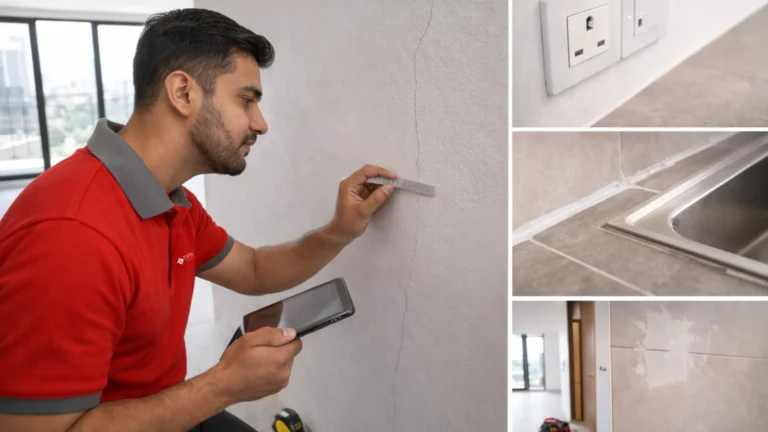
Snag work is the collective term for all physical remediation activities required to address defects identified during a snagging inspection. It encompasses a wide range of trades and activities from a plasterer patching hollow ceiling plaster to an electrician commissioning a non-functional smoke detector to a tiler replacing a section of hollow or cracked tiles to a waterproofing specialist re-sealing a defective bathroom membrane.
In construction industry usage the ‘snag’ is the defect and the ‘snag work’ is the fix. A developer who receives a snag list from a buyer is expected to organise and complete all the snag work itemised in that list within the Defect Liability Period. The developer, not the buyer, bears the cost of that work for all items that fall within the statutory DLP scope.
This is the fundamental financial value of a professional snagging inspection: a well-documented snag list submitted before handover shifts the cost of snag work from the buyer’s budget to the developer’s obligation. In a Dubai new-build apartment that cost typically ranges from AED 15000 to AED 50000. In a larger villa it can be considerably higher.
Who Carries Out Snag Work in Dubai?
During the Defect Liability Period the developer is responsible for organising and completing snag work. They will typically use their own contractors, subcontractors or specialist suppliers who worked on the original construction. In practice this means the same trades who may have created the defects in the first place are returning to fix them which is why re-inspection after snag work completion is important.
After the DLP has expired or for defects that fall outside DLP scope, snag work becomes the property owner’s responsibility. At this stage the owner needs to source their own contractors for each trade plumber electrician tiler AC technician waterproofing specialist and manage the work themselves. This is the scenario that a well-executed pre-handover snagging inspection prevents: the cost and coordination burden of snag work falling on the property owner rather than the developer.
What Snag Work Involves in Practice
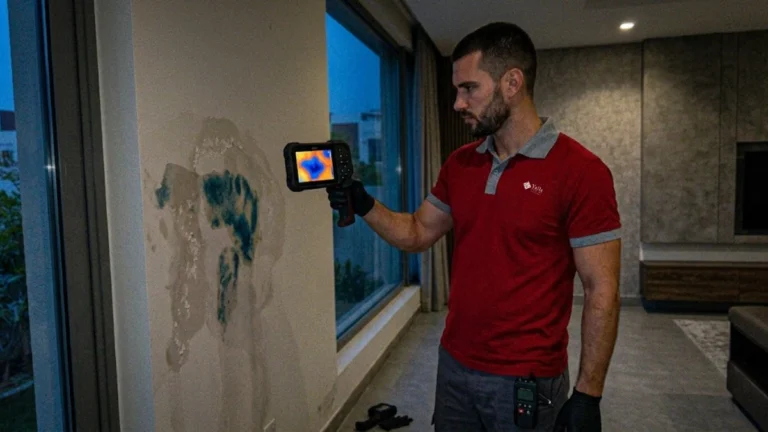
A typical snag work programme following a professional snagging inspection of a Dubai new-build covers several trade categories. Civil and plastering work addresses cracked walls, hollow plaster and screed delamination. Tiling work involves replacing hollow or cracked tiles and regrouting sections where grout is incomplete or defective. Waterproofing work, often the most significant in terms of cost and disruption, involves opening up failed waterproof membrane areas typically behind bathroom tiles and re-applying the membrane before reinstating the tiling.
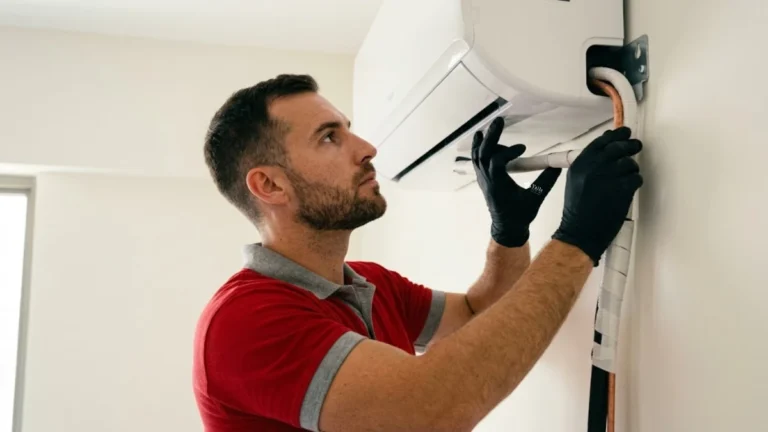
MEP snag work covers AC drainage corrections, electrical earthing repairs, plumbing fixture replacements, smoke detector commissioning and water heater pressure relief verification. Joinery and finishing snag work addresses door and cabinet alignment paint touch-ups, silicone sealant replacement at wet area junctions and fixture replacement where specification deviations were identified.
In a straightforward apartment with 40 to 60 snag items the developer’s snag work programme typically takes four to eight weeks to complete if waterproofing remediation requiring tile removal is involved. Buyers should request a written schedule from the developer at the time the snag report is submitted and should not accept verbal assurances about completion timelines.
The Snag Work Process: From Report to Completion
Step 1: Submit the Snag Report to the Developer
Once you receive your snag report, submitting it formally to the developer in writing email with a read receipt is sufficient. The submission starts the clock for the developer’s response. Keep a copy of the submission with the timestamp.
Step 2: Confirm the Developer’s Rectification Plan
A professional developer will acknowledge receipt of the snag report and provide a written rectification plan with a timeline. Do not accept possession of the property or if you have already accepted possession do not make significant modifications until the rectification plan is confirmed in writing. Verbal promises about snag work completion are not enforceable.
Step 3: Monitor Progress
For significant snag items waterproofing work major tile replacement structural repairs request access to verify the work in progress not just after completion. Work that has been patched over without proper remediation may look complete visually while the underlying defect remains.
Step 4: Re-Inspection Before Sign-Off
Before confirming to the developer that snag work is complete, commission a re-inspection. This is standard practice in any professional snagging engagement and serves two purposes: confirming that each item on the original snag list has been genuinely addressed and identifying any secondary defects introduced during the remediation work itself.
What Snag Work Costs and Who Pays
Within the Defect Liability Period all snag work on DLP-covered defects is the developer’s cost. The buyer pays nothing for snag work during this window regardless of the extent or value of the repairs required. This is the statutory obligation under Article 40 of Law No. 6 of 2019.
Outside the DLP window or for defects that fall outside DLP scope, snag work costs are the owner’s responsibility. Cost benchmarks for the most common categories: tile replacement (per square metre including materials and labour) ranges from AED 150 to AED 400 depending on tile specification. Bathroom waterproofing remediation (including tile removal membrane reapplication and retiling) typically costs AED 8000 to AED 25000 per bathroom. AC drainage correction ranges from AED 500 to AED 2000 depending on access difficulty. These figures illustrate why DLP-period snag work at the developer’s cost represents substantial financial value from a professional snagging inspection.
Understanding what you are entitled to under the DLP framework is the foundation of using the snagging process effectively.
Conclusion
Snag work is what a snagging inspection makes someone else’s problem. Without a professional inspection and a well-documented snag list the same work is the property owner’s problem and their cost. In a Dubai new-build market where 70 percent of properties have identifiable defects at handover snag work is not a rare event. It is a standard part of the handover process. The question is who pays for it.
Getting the timing right inspecting before handover submitting the snag list within the DLP window and confirming completion through re-inspection is how the statutory developer obligation is converted into actual documented verified remediation. Our ultimate guide to property snagging in Dubai covers the full process from first inspection to final sign-off.
Book your property snagging inspection today with Yalla, fix it and get a detailed, developer-ready snag report with expert verification and re-inspection support.
Frequently Asked Questions
What if the developer refuses to complete snag work?
If a developer refuses to address documented DLP-covered defects the buyer can escalate to the Dubai Land Department which has enforcement mechanisms for this situation. A professionally documented snag report in RERA-submission format is the evidence base for enforcement. This is one of the reasons that the quality of the original snag report matters; it must be specific enough to be unambiguous in a dispute context.
Can I choose my own contractors to do the snag work and bill the developer?
Generally no. The DLP framework gives the developer the right to remedy defects using their own contractors. If you have the developer’s snag work completed by your own contractors without the developer’s consent you may lose the ability to claim that cost from the developer. The correct approach is to give the developer reasonable time to complete the snag work through their own programme and to escalate if they fail to do so.
What is the difference between snag work and general maintenance?
Snag work addresses construction defects items that were not built correctly, not completed or not built to specification. General maintenance addresses wear use and age-related deterioration of a correctly built property. They are different obligations with different responsible parties. A developer is responsible for snag work within the DLP. A property owner is responsible for ongoing maintenance whether through their own programme or an annual maintenance contract with a provider like Yalla Fix It.
Can new snag items appear after the developer completes the initial snag work?
Yes, both secondary defects introduced during remediation work and defects not identified in the original inspection can appear during or after the snag work programme. This is why re-inspection after snag work completion is important. For DLP-covered defects the developer remains liable throughout the DLP window regardless of whether they have already completed a round of snag work.
What if the developer refuses to complete snag work?
If a developer does not address DLP covered defects the issue can be escalated to the Dubai Land Department. A properly documented snag report acts as the evidence required to support enforcement and ensure the defects are rectified.
Can I hire my own contractor for snag work and claim the cost?
In most cases the developer has the right to carry out the snag work using their own contractors. Hiring your own contractor without approval may result in you bearing the cost. The correct approach is to allow the developer time to complete the work and escalate if required.
Can new defects appear after snag work is completed?
Yes, additional defects can appear either from incomplete remediation or issues missed during the initial inspection. This is why a re inspection is important to verify that all snag work has been properly completed and no new issues have been introduced.