Property Inspection Dubai: What a Professional Assessment Actually Covers
Asking what a property inspection in Dubai involves should be a simple question. In practice it has at least three different answers depending on what type of property you are buying at what stage of the transaction you are and what you are going to do with the findings.
A buyer about to accept a handover of a new-build apartment from a Dubai developer needs a very different type of inspection than an investor buying a five-year-old villa in a secondary market transaction. Both are property inspections. Both use some of the same tools. But the scope, the legal framework and the consequences of findings are completely different and confusing one with the other can leave a buyer without the protection they thought they had.
This guide explains what a professional property inspection in Dubai actually covers when each type applies and what you should look for when booking one. For a full overview of our inspection capabilities visit our property snagging service in Dubai.
The Three Types of Property Inspection in Dubai
Pre-Handover Snagging Inspection
This is the most time-sensitive and legally consequential type. Conducted before a buyer accepts handover of a new-build or off-plan property a snagging inspection identifies defects against the build specification and documents them as the developer’s legal responsibility under the Defect Liability Period. The DLP gives developers a statutory obligation to fix identified defects at no cost to the buyer but only defects that are documented before or at handover.
For Dubai property buyers this is the most important single inspection. The window is fixed. Once you sign the handover documentation the DLP clock starts and the leverage shifts progressively toward the developer. A professional snagging inspection conducted before that moment creates the evidentiary basis for enforcement. After that moment the same defects require a considerably more difficult conversation.
Pre-Purchase Condition Assessment
For secondary market or resale properties a property inspection is a condition assessment that tells you what you are buying before you commit to buying it. Unlike a snagging inspection there is no statutory framework compelling a seller to fix identified defects the findings inform a negotiation. A significant defect finding might support a price reduction request, a repair undertaking from the seller or a decision not to proceed.
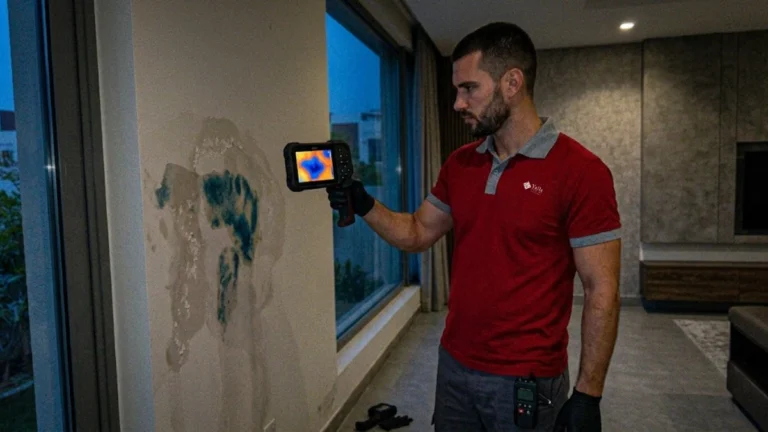
Secondary market property inspections in Dubai increasingly include thermal imaging and moisture testing particularly for properties in areas with known water ingress history or older construction. These tools identify the defects most likely to be present in older properties but invisible to a visual walkthrough.
End-of-Tenancy and Condition Survey
Landlords and outgoing tenants commission condition surveys at the end of a tenancy to document the property’s state, identify any damage beyond fair wear and tear and create a dated record for deposit dispute purposes. This is the narrowest type of property inspection focused on occupancy-related damage rather than construction defects.
What a Professional Property Inspection in Dubai Covers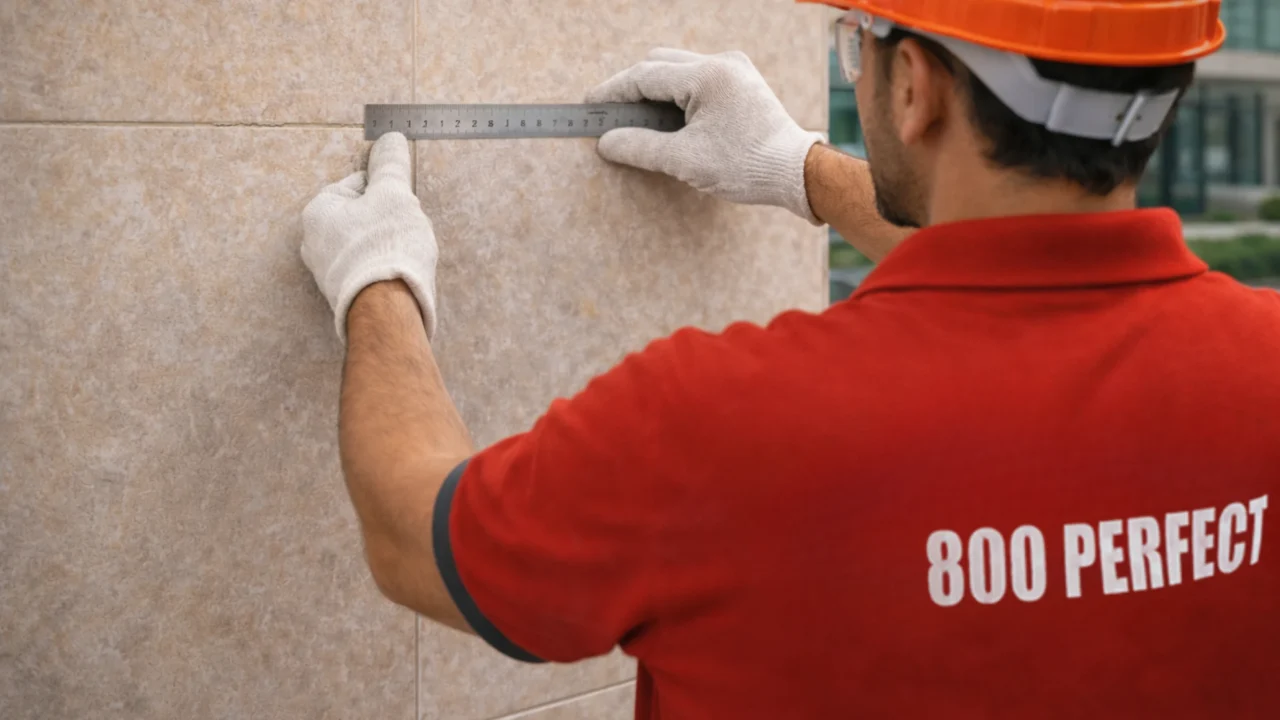
For pre-handover snagging inspections and pre-purchase condition assessments the inspection scope is broadly similar; what changes is the framing of findings and the legal action they support. Here is what a professional inspection at Yalla Fix It covers:
Structural and Civil Works
All accessible wall floor and ceiling surfaces are checked for cracks voids hollow plaster delamination and out-of-level conditions. Balcony and external drainage are checked. A surprisingly common finding in Dubai new-builds is a balcony drainage gradient that points toward the building wall rather than away from it causing water ingress every time it rains significantly.
Air Conditioning
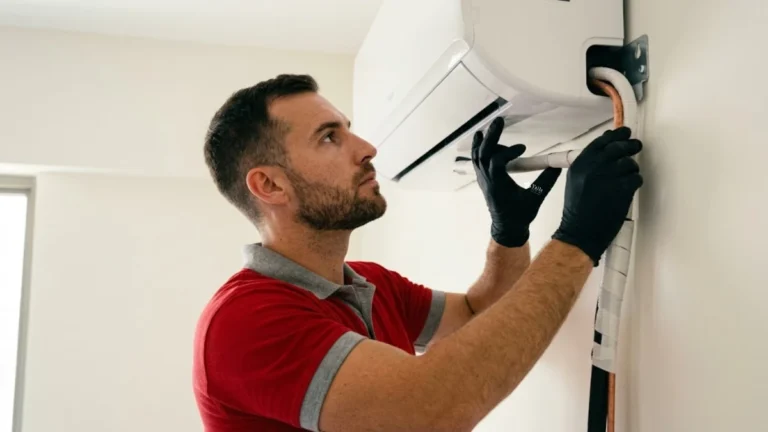
Every AC unit in the property is run under load to verify cooling operation, adequate airflow thermostat and remote function and condensate drainage. AC drainage failures are among the most common post-handover problems in Dubai new-builds. Running the system under load and tracing the drainage run during the inspection identifies issues that won’t manifest until the unit is working hard which in Dubai means from May onwards.
Plumbing and Water Systems
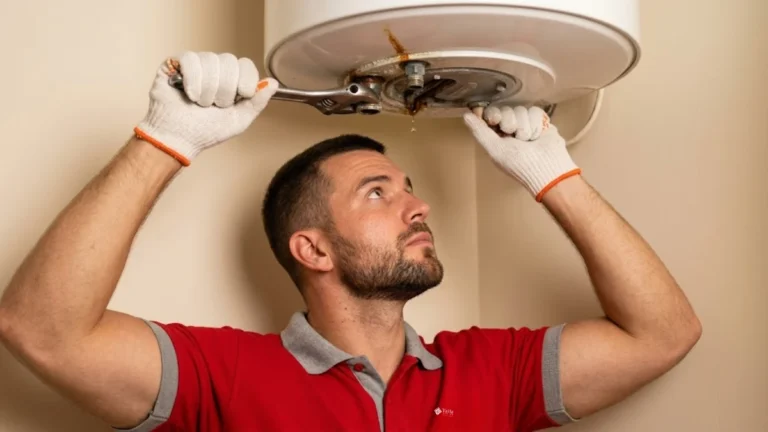
All taps, mixers, shower heads and toilets are tested. Taps are run simultaneously to assess water pressure under combined load. Hot water delivery time is verified. All visible pipework is checked for condensation or leak evidence. The water heater installation is assessed. For properties with a water tank standard in most Dubai villas tank condition and the adequacy of its cleaning history are noted.
Electrical Systems
Every socket in the property is tested using a socket tester with earth continuity function. Standard socket tests for live and neutral only earth continuity requires a dedicated tester. Every light switch is verified. The distribution board is checked for MCB labelling accuracy and trip function. Smoke detectors are tested. Emergency lighting is activated. Non-commissioned safety systems installed but not connected are among the highest-priority findings in any new-build property inspection.
Finishes Fixtures and Joinery
All tiled surfaces are checked using a systematic tap test hollow tiles that have lost adhesion to the substrate are identified aurally and documented with location references. Paint coverage grouting completeness, silicone sealant quality at wet area junctions and joinery alignment are all assessed.
In cases where joinery adjustments or repairs are required, services such as carpenter services in Dubai are often relevant for addressing alignment and finishing issues.
Technology-Assisted Inspection
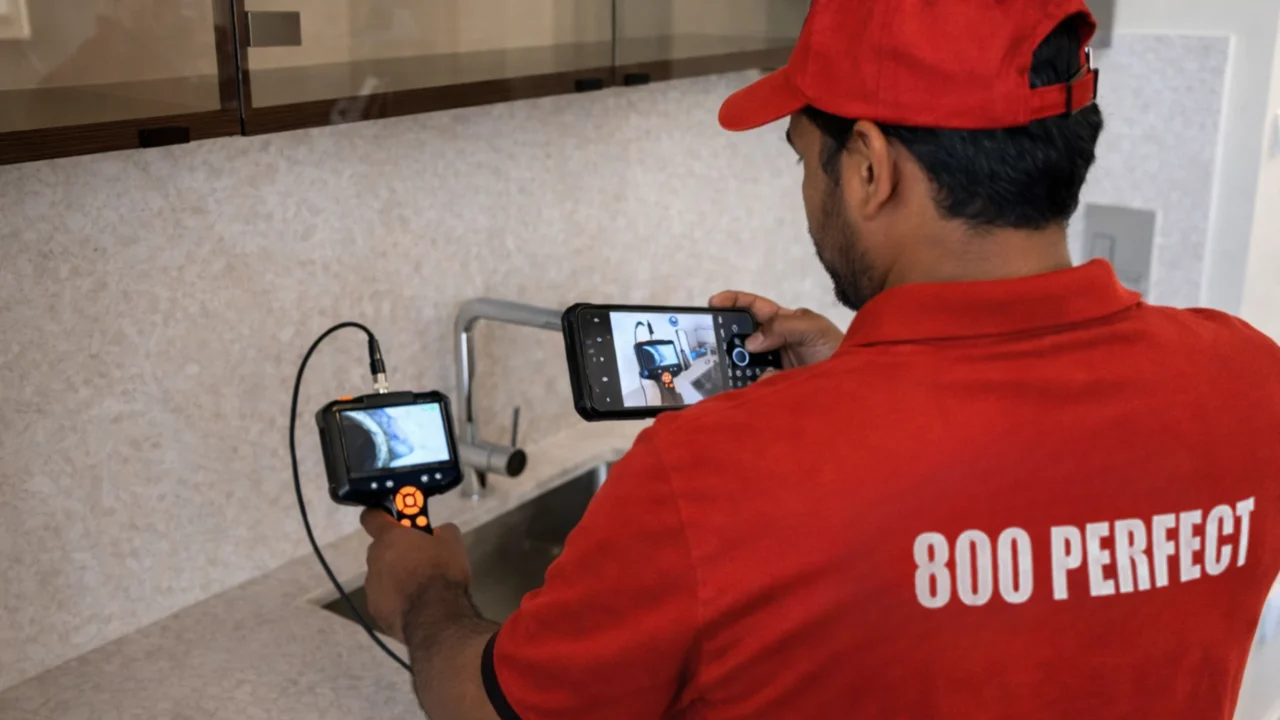
Thermal imaging detects concealed moisture insulation voids and cold bridges in external walls all invisible to a visual inspection all capable of causing significant problems if unaddressed. Moisture meters provide readings behind tiled surfaces in bathrooms and kitchens identifying waterproofing failures before tiles need to be removed to find them. These tools consistently produce the highest-value findings in any professional property inspection of the defects that are most expensive to address reactively and most valuable to document proactively.
Why Property Inspection Matters Specifically in Dubai
Dubai’s construction pace creates inspection risk that is meaningfully higher than most comparable markets. The pace required to deliver tens of thousands of new units per year across major developments creates quality control pressure that shows up in inspection reports particularly in the last 10 percent of a construction project where finishing work is completed under timeline pressure to meet handover targets.
Dubai’s climate amplifies the consequences of construction defects. A waterproofing failure that might remain dormant for years in a temperate climate will become a structural problem in Dubai within two to three years under the combination of summer heat condensation cycling and the occasional significant rain event that dumps considerable volume in a short period.
Our guide to building inspection in Dubai covers how these two related services building inspection and property snagging differ in scope and legal consequence and which one applies to a new-build purchase specifically.
What to Look for in a Property Inspection Provider
The minimum requirement for any property inspection provider in Dubai is the inclusion of thermal imaging as standard not as an add-on. Any provider that charges separately for thermal imaging is signalling that it is not part of their baseline methodology and thermal imaging is how the highest-value defects in Dubai properties are found.
Beyond equipment look for a structured methodology (200-plus points rather than an ad hoc walkthrough) photographic documentation for every finding a written report delivered within 24 hours and RERA-submission ready format. For properties that have recently undergone construction or renovation our post-construction cleaning checklist for Dubai homeowners is a useful companion guide to understanding what state a property should be delivered in.
For a broader view of how to evaluate property maintenance and inspection service providers in Dubai, our guide to top factors to consider when choosing property maintenance services in Dubai covers the evaluation criteria that apply beyond the specific inspection context.
Conclusion
A professional property inspection in Dubai is not a box-ticking formality. It is the specific mechanism by which a buyer shifts the financial liability for construction defects from their own budget to the developer’s statutory obligation or in a resale context uses documented condition findings to negotiate from a position of knowledge rather than trust.
The investment in a professional inspection is almost always a fraction of the remediation cost it prevents. The defects most commonly found in professional Dubai property inspections are the ones invisible to the naked eye and the ones most expensive to address after the fact.
For a clearer understanding of how the inspection process works and what it covers in detail, you can review property inspection services in Dubai and how they help ensure a defect-free handover.
Frequently Asked Questions
When should I book a property inspection in Dubai?
For new-build or off-plan properties: before you accept handover ideally in the 48 to 72 hours before your scheduled handover appointment. For resale properties: before you sign a sale and purchase agreement or exchange contracts. For end-of-tenancy: at or shortly before the tenancy end date with both parties present where possible.
How long does a property inspection take in Dubai?
A one to two bedroom apartment typically takes 2 to 3 hours. A three bedroom villa takes 4 to 6 hours. Large or complex properties may require a full day. The time reflects a genuine 200-plus point methodology any inspection completing significantly faster is unlikely to have been thorough.
What happens if the developer disputes the findings?
A professional property inspection report is structured to stand up to developer challenges with location-referenced photographs, thermal imaging outputs and written descriptions that are specific enough to be unambiguous. If developer disputes escalate, reports in the correct format can be submitted to RERA. The Dubai Land Department has enforcement mechanisms for developers who refuse to address documented DLP defects.
Does a property inspection include a check for pests or mold?
Yes, a professional inspection can identify risks like mold and pests. Inspectors use tools such as thermal imaging to detect hidden moisture and check key areas like cabinets and wooden frames for termite activity. Finding these issues before handover helps avoid costly repairs later.
Who pays for the property inspection in a resale transaction?
In Dubai, the buyer usually pays for the inspection as part of due diligence. The report helps identify defects and gives the buyer leverage to negotiate price reductions or request repairs before final transfer.
What is the difference between a property valuation and a property inspection?
A property valuation determines the market price for financial or legal purposes. A property inspection checks the physical condition of the property. A valuation helps secure a loan, while an inspection helps avoid future repair costs.