Snag List Explained: Everything Dubai Property Buyers Need to Know in 2026
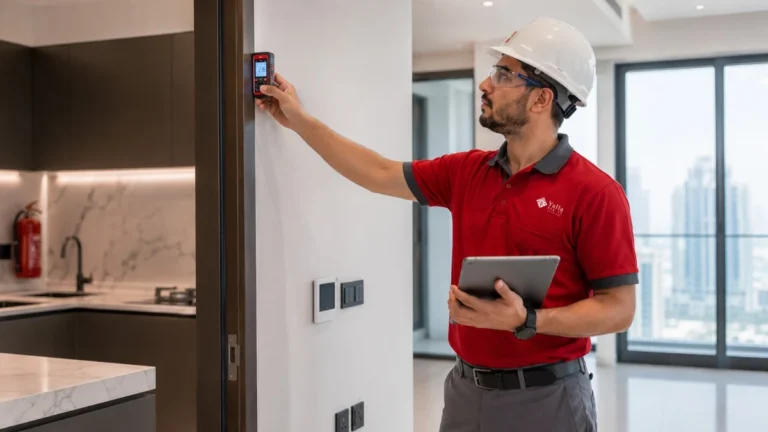
The defect document captures every issue a developer is contractually obliged to rectify before handover or inside the Defect Liability Period (DLP). A snag list differs from a snag report in that the list is the raw enumeration of defects while the report is the formatted deliverable with photographs, severity classification and developer-portal compatible structure. Dubai property buyers receive a snag list as the output of a professional snagging inspection that runs inside the contractual snagging window or eleventh-month DLP window. Indicative inspection cost runs AED 1,500 to 8,000+ depending on property type. The Yalla Fix It snag list generation team runs every inspection with audit-grade reporting.
The buyer-side defect list is one of the most consequential documents in a Dubai property purchase because every item not on the list becomes the buyer cost after handover signing. Buyers who skip the snagging inspection sign handover without documentation and accept every defect as their own. Buyers who run inspection but receive a thin defect list with only the visible defects transfer the hidden defects to themselves at handover. The right list is exhaustive and captures everything the developer is contractually obliged to rectify. The wrong list leaves recoverable value on the table. The snag list service from Yalla Fix It runs audit-grade inspection with developer-portal-compatible deliverables.
This guide sets out what a snag list actually is, how it differs from a snag report, what gets included, how the developer submission process works and how buyers should engage the inspection. The Yalla Fix It snagging team has produced thousands of snag lists across every major Dubai developer.
What a Snag List Is and How It Differs From a Snag Report
The defect list is the buyer-side enumeration of every defect identified during the snagging inspection. Each defect carries a unique reference number, location description, severity classification and recommended rectification action. The list is the raw output of the inspection visit before any formatting for developer submission.
The snag report is the formatted deliverable that wraps the list with photographs, technical context and developer-portal-compatible structure. The report converts the raw list into a document that the developer rectification team can take directly without reformatting. Both deliverables come out of the same inspection but serve different purposes. Owners running a professional building inspection engagement receive both the raw list and the formatted report.
Other related terminology matters. Snag work refers to the rectification activity the developer performs against this document. DLP work refers to defect rectification inside the Defect Liability Period after handover. Punch list is the equivalent terminology used in construction industry contexts. The wider context on reading these documents is set out in the what is a snag report and how to read it.
What Gets Included on the Defect Document
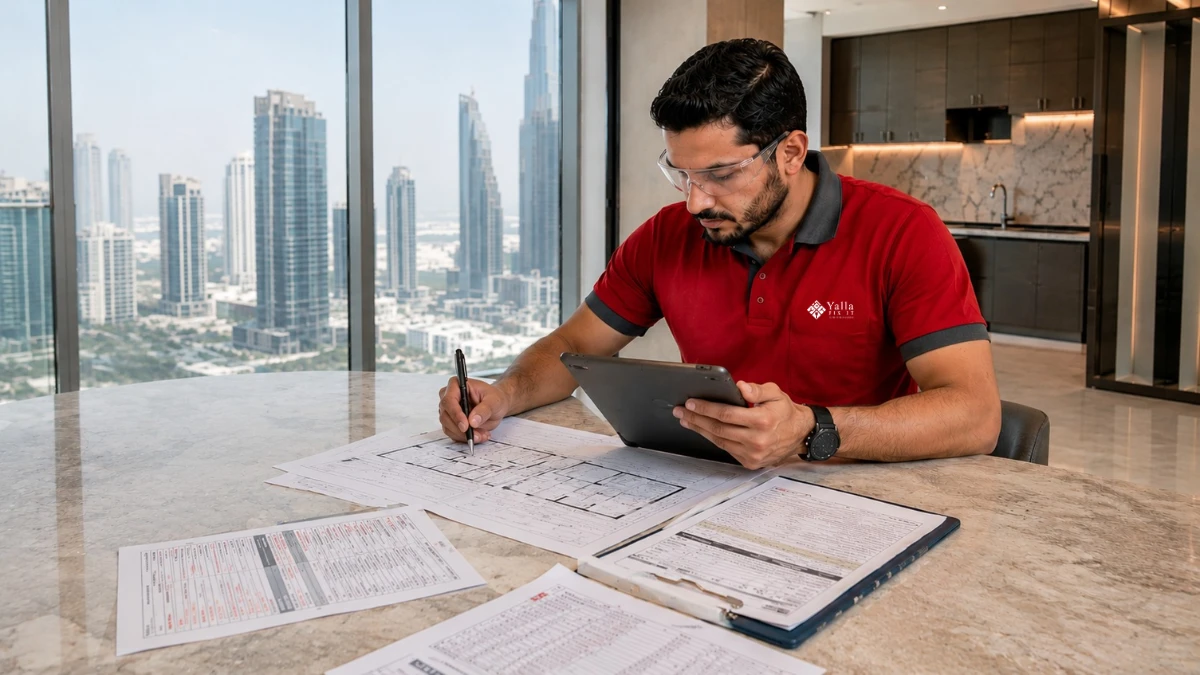
Six categories define the scope of a comprehensive list. A document missing any category is incomplete and leaves recoverable value on the table. The work also pairs cleanly with broader property snagging service coverage where snagging integrates into ongoing DLP monitoring.
MEP Commissioning Defects
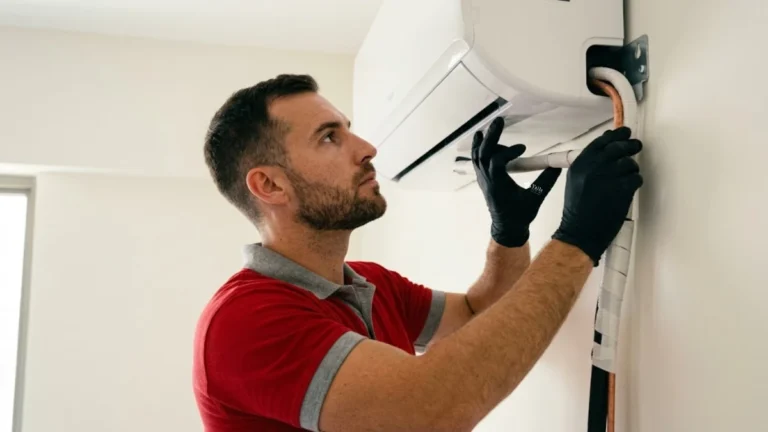
AC airflow gaps, refrigerant pressure abnormalities, plumbing leaks, hot water recirculation faults, electrical socket polarity errors, earth integrity issues. MEP defects need diagnostic equipment to identify which is why visual-only inspections produce thin snag lists.
Finishes and Joinery Defects
Tile misalignment, grouting gaps, paint quality issues, joinery soft-close failures, kitchen cabinet hardware faults, wardrobe system defects, door alignment problems, window seal issues. Finished defects are typically the most numerous category by item count.
Smart Home Commissioning Gaps
Lighting scenes not configured, AC zone integration faults, motorised blind issues, audio-visual zone problems, intercom function gaps, network connectivity issues. Smart home defects need testing through the actual control interface rather than visual inspection.
External and Structural Items
Balcony glazing, external waterproofing, terrace drainage, garden infrastructure, pool plant where applicable. External scope scales with property type and ranges from minor cosmetic items to major waterproofing concerns.
Documentation Pack Gaps
Missing operation manuals, commissioning certificates, warranty registration, authority approvals, fire safety certificates. Documentation gaps qualify as snag items because developers are contractually obliged to provide the full handover pack.
Hidden Defects
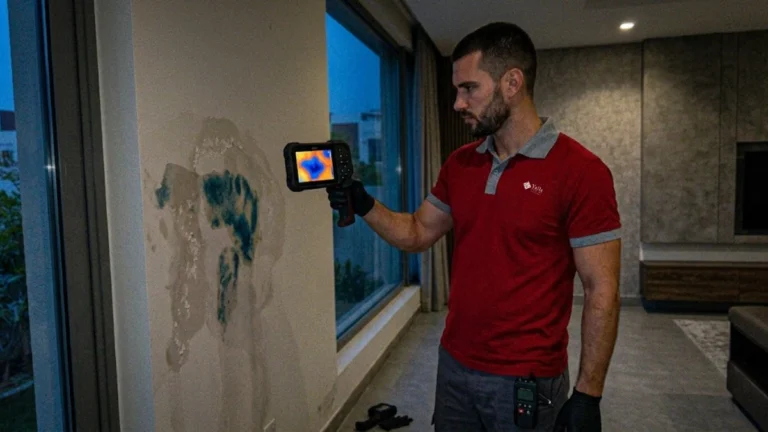
Items caught by thermal imaging, moisture meter, airflow gauge and electrical multimeter that visual inspection cannot identify. Hidden moisture pathways, trapped water, commissioning gaps and electrical faults all sit in this category and require diagnostic toolkit on site.
How the Submission Process Works
The submission process starts inside the contractual snagging window before handover signing. The buyer-side inspector produces the document within 24 hours of the inspection visit and submits the formatted snag report to the developer rectification portal. Major Dubai developers including Emaar, DAMAC, Nakheel, Aldar, Sobha and Meraas operate dedicated portals or named contacts for submission.
Developer rectification timelines run on documented windows. Cosmetic defects typically rectify inside 14 to 30 days. MEP commissioning gaps inside 21 to 45 days. Smart home commissioning often runs 30 to 60 days because of vendor coordination. Major defects affecting structural or system integrity escalate inside 7 to 14 days. Owners running ongoing home AMC coverage typically retain a contractor relationship that supports the rectification monitoring through the DLP year.
Revisit inspection closes the cycle. The revisit happens after the developer confirms rectification work is complete and before the buyer signs handover paperwork. The revisit produces a side-by-side comparison report showing original snag versus rectified state with photographic evidence on each item. Items rectified are marked closed. Items not rectified remain open and are pushed back to the developer for further work. The wider context on choosing the right snagging partner is set out in the top factors when choosing property maintenance services.
What Generation Actually Costs
Pricing varies by property type, inspection scope and revisit requirements. Indicative ranges. One-bedroom apartment: AED 1,500 to 2,500. Two to three bedroom apartment: AED 2,000 to 3,500. Townhouse: AED 2,500 to 4,500. Standard villa: AED 3,500 to 6,000. Luxury villa: AED 5,000 to 8,000+. Pricing should align to actual property specification and include one revisit inspection inside the standard fee.
What the fee covers on credible inspections. Full diagnostic inspection with thermal imaging, moisture meter and airflow gauge, list generation with severity classification, formatted snag report inside 24 hours, developer-portal-compatible submission and one revisit inspection inside the standard fee. Operators charging separately for any of these elements are bundling line items that should sit inside the headline fee. Owners booking ahead of handover get the cleanest engagement when paired with broader commercial annual maintenance contracts in Dubai for ongoing post-handover coverage.
Recoverable value framing matters. The inspection fee typically runs AED 1,500 to 8,000. Recoverable developer-funded rectification value across the snag list typically runs 5 to 20 times the inspection fee depending on property type. Buyers who skip inspection transfer this value entirely to themselves which is the most expensive long-term decision in the purchase cycle. The wider context on how to read the resulting documentation is set out in the what is a snag report and how to read it.
How Engagement Integrates With Broader Property Coverage
The cleanest engagement structure runs the pre-handover defect list as the entry point to a broader property maintenance relationship. The contractor that runs the inspection knows the property in detail which makes ongoing maintenance coordination materially easier than starting fresh with a separate AMC vendor.
Post-handover monitoring runs through the DLP window. Eleventh-month inspection at month 10 captures every remaining warranty item before DLP expiry at month 12. Mid-DLP inspection at month 4 to 6 catches issues emerging from real occupancy. Both inspections benefit from continuity with the pre-handover team because they reference the same baseline documentation. Bundling DLP monitoring with broader property snagging service coverage protects the buyer across the full DLP year.
Documentation integration is the third commercial advantage. The bundled service file consolidates pre-handover snag list, formatted snag report, revisit comparison, DLP monitoring reports and any post-handover AMC work into one property dossier. Owners get one place where every property intervention is logged with photographic evidence, technician name and rectification status. This dossier supports any insurance claim, warranty conversation or sale due diligence later.
How Dubai Property Buyers Should Engage Inspection
Six steps run a credible engagement.
- Confirm the contractual snagging window from the SPA before any booking conversation with developers.
- Book pre-handover inspection inside the contractual window for maximum developer rectification leverage.
- Verify the contractor uses full diagnostic toolkit including thermal imaging, moisture meter and airflow gauge.
- Confirm the snag list and formatted snag report deliver inside 24 hours of inspection completion.
- Confirm the developer-portal-compatible submission and revisit inspection are included in the standard fee.
- Consider extending the contractor relationship into eleventh-month inspection and DLP monitoring.
Buyers running all six steps engage inspection cleanly with maximum recoverable developer rectification value. The Yalla Fix It snagging team supports pre-handover and post-handover snag list generation across every major Dubai developer. The wider context is set out in the ultimate guide to commercial annual maintenance contracts in Dubai.
The Bottom Line on the Defect Document
A snag list is the buyer-side document that captures every defect a developer is contractually obliged to rectify before handover or inside the DLP window. The list differs from the report in that the list is the raw enumeration while the report is the formatted deliverable for developer submission. Comprehensive lists cover six categories: MEP, finishes, smart home, external, documentation and hidden defects. Cost runs AED 1,500 to 8,000+ with recoverable rectification value typically 5 to 20 times the inspection fee.
Yalla Fix It generates defect lists across every major Dubai developer with audit-grade protocol, full diagnostic toolkit, 24-hour delivery, developer-portal-compatible format and revisit inspection inside the standard fee.
To engage inspection for a Dubai property handover or eleventh-month DLP inspection, contact the Yalla Fix It team. The team will scope the inspection and confirm the booking inside one working day.
Frequently Asked Questions
What does the buyer-side defect list cover?
A snag list is the buyer-side enumeration of every defect identified during the snagging inspection. Each defect carries a unique reference number, location description, severity classification and recommended rectification action. The list is the raw output of the inspection visit.
What is the difference between the defect list and the formatted report?
The snag list is the raw enumeration of defects. The snag report is the formatted deliverable that wraps the list with photographs, technical context and developer-portal-compatible structure. Both come out of the same inspection but serve different purposes.
What gets included in a comprehensive defect enumeration?
Six categories: MEP commissioning defects, finishes and joinery defects, smart home commissioning gaps, external and structural items, documentation pack gaps and hidden defects caught by diagnostic toolkits. Lists missing any category are incomplete.
How much does inspection cost?
Indicative pricing: AED 1,500 to 2,500 for one-bedroom apartments, AED 2,500 to 4,500 for townhouses, AED 3,500 to 6,000 for standard villas, AED 5,000 to 8,000+ for luxury villas. Recoverable rectification value typically runs 5 to 20 times the inspection fee.
How does the submission process work?
The inspector produces the list within 24 hours of the inspection visit and submits the formatted snag report to the developer rectification portal. Major Dubai developers operate dedicated portals or named contacts. Rectification timelines run 14 to 60 days depending on defect category.
When should buyers book the inspection?
Inside the contractual snagging window before handover signing for maximum developer rectification leverage. Post-handover snag list generation runs at month 4 to 6 (mid-DLP) and month 10 to 11 (eleventh-month inspection) before DLP expiry.
Should the inspection include a revisit?
Yes. The revisit verifies that the developer has rectified each flagged item. The revisit produces a side-by-side comparison report with photographic evidence on each item. The Yalla Fix It standard fee includes one revisit inspection across pre-handover and post-handover engagements.