Mold Inspection Dubai: When to Call in a Professional and What the Process Involves
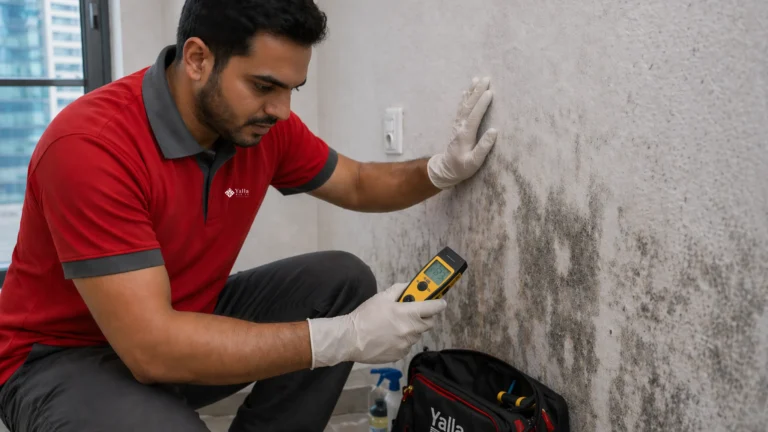
A professional mold inspection in Dubai goes beyond what the naked eye can see. Using thermal imaging cameras and moisture meters a trained inspector identifies the moisture sources affected areas and extent of mold colonisation including behind walls and under flooring where mold grows invisibly. If you can see mold in a Dubai property the visible growth is almost always a fraction of the total colonisation. A professional inspection establishes the full picture before remediation planning begins.
Dubai’s climate creates one of the world’s most consistently favourable environments for mold growth inside buildings. The combination of high humidity from the coast and the Gulf year-round AC operation creating condensation-prone surfaces where warm and cold air meet hard water that leaves mineral deposits that support biological growth and building designs that sometimes create inadequate ventilation in bathrooms kitchens and storage areas all of these factors make mold a common and recurring challenge for Dubai property owners and occupants.
The challenge is that most mold inspections in Dubai are conducted too late after visible growth has already appeared, often in a bathroom ceiling corner or behind furniture against an external wall. Visible mold is the evidence of an established colony. By the time it is visible mold has typically been growing for weeks or months in the substrate behind the surface and the visible growth represents a fraction of the total colonisation.
This guide explains what a professional mold inspection in Dubai involves when it is the right response versus a DIY approach and why the technology used in a professional inspection makes a material difference to what gets found. For a full overview of our mold removal and remediation service visit our mold removal services in Dubai.
When You Need a Professional Mold Inspection Rather Than DIY
Not every mold situation in a Dubai property requires a professional inspection. A small area of surface mold on a bathroom tile grout line visible confined with an obvious cause (inadequate ventilation) and clear boundaries can be addressed with appropriate surface treatment without a professional inspection.
A professional mold inspection is warranted when any of the following conditions apply:
- Mold is visible on non-bathroom surfaces, bedroom walls, living areas ceilings or the back of furniture moved from its usual position.
- There is a recurring smell of mold that persists after visible surface treatment; this indicates active growth in an area that is not being reached by surface cleaning.
- One or more occupants of the property are experiencing persistent respiratory symptoms, allergic reactions or health effects that have been attributed to the indoor environment by a medical professional.
- There has been a water damage event, pipe burst, roof leak flooding or AC condensate overflow and the property was not fully dried within 24 to 48 hours of the event.
- The property has been unoccupied for an extended period with AC systems not running particularly during summer months.
In any of these situations the extent of mold growth is likely greater than what is visible and treatment decisions made without understanding the full extent and moisture source will produce incomplete remediation. Our guide to 8 hidden mold signs Dubai homeowners cannot afford to miss identifies the specific indicators that precede visible mold growth and that signal a professional inspection is needed.
What a Professional Mold Inspection Involves
Thermal Imaging Assessment
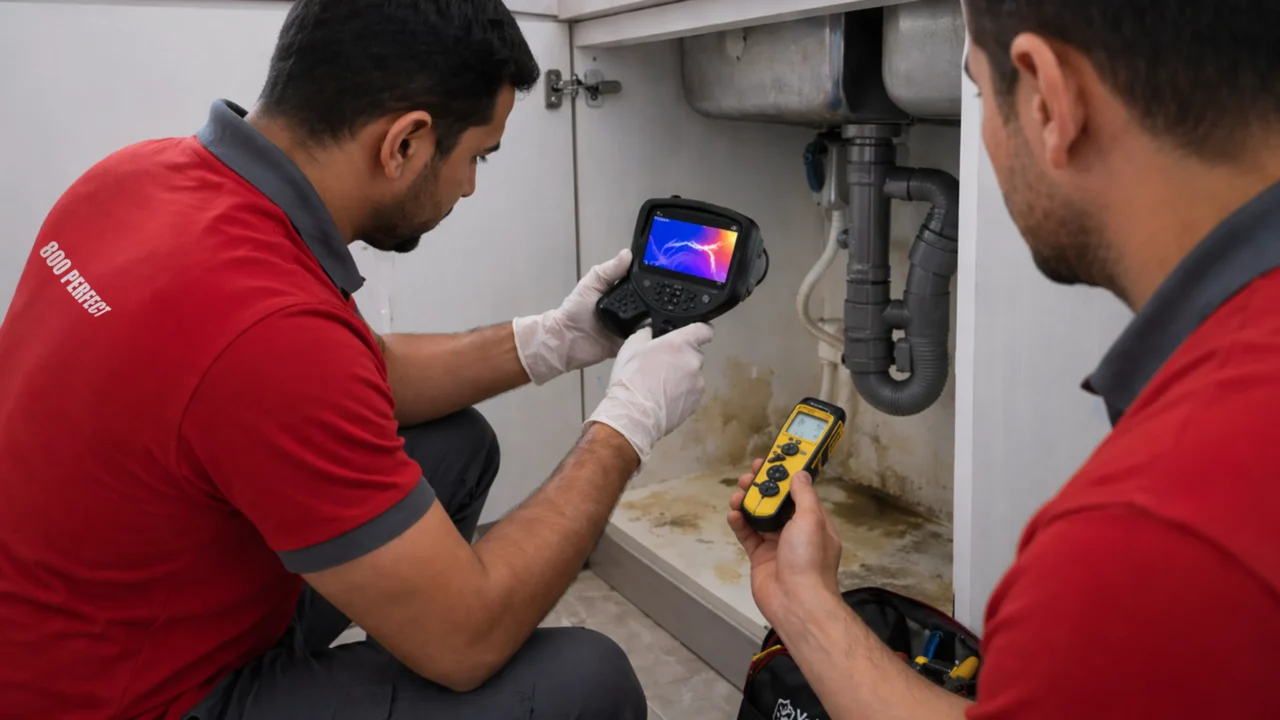
Thermal imaging is the primary tool for identifying moisture and mold extent in a professional inspection. Mold requires moisture to grow and moisture in building materials has a distinct thermal signature. A thermal imaging camera operating in the appropriate temperature differential conditions reveals moisture presence behind walls under flooring and above ceilings that are completely invisible to visual inspection.
In Dubai the thermal imaging assessment of a property with suspected hidden mold is most effectively conducted in the morning when the overnight cooling has created the maximum temperature differential between interior air and external building fabric, the conditions under which moisture signatures are most clearly visible on the thermal camera.
Moisture Meter Survey
Thermal imaging identifies the location of moisture anomalies. Moisture meter readings quantify them providing objective measurements of moisture content in specific building materials at specific points. Elevated moisture meter readings in a wall section that appears dry visually confirms that moisture is present in the substrate, establishes how deep it extends and provides the baseline measurement against which remediation effectiveness can be verified.
Mold Identification and Sampling
For properties where occupant health effects are a concern professional mold inspections include surface sampling of visible mold for identification. Different mold species have different health implications and different remediation requirements. Stachybotrys chartarum (black mold) and Aspergillus species require more stringent remediation protocols than common household molds. Identification guides both the remediation approach and the urgency of response.
Moisture Source Investigation
Identifying where mold is growing is not the same as identifying why it is growing. The inspection includes investigation of moisture sources and the origin of the water that is enabling mold growth. Common sources found in Dubai properties include: AC condensate drainage systems with partial blockages that overflow into wall cavities; bathroom waterproofing failures; roof membrane degradation; and inadequate bathroom ventilation creating persistent high humidity on cold surfaces.
Addressing mold without addressing its moisture source produces temporary remediation the mold returns. A professional inspection that identifies the moisture source enables remediation that is genuinely permanent.
What Happens After a Professional Mold Inspection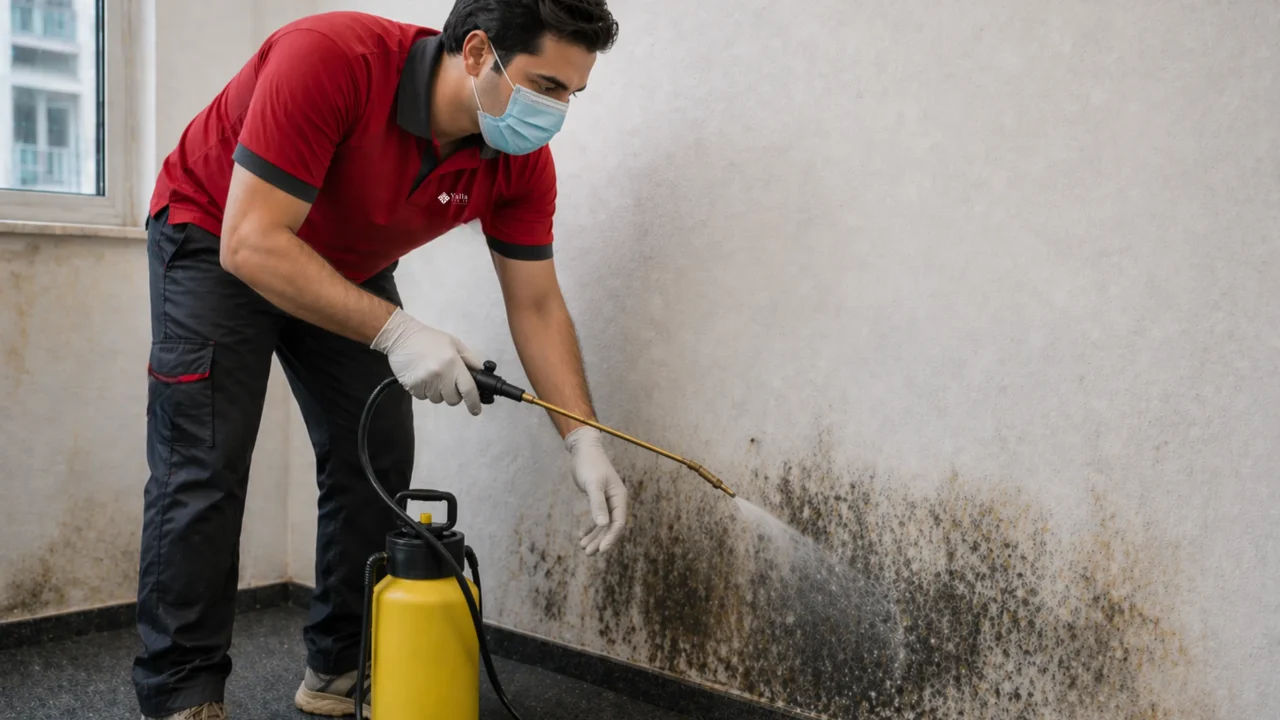
A professional mold inspection produces a written report documenting: the extent of mold growth by location and severity; moisture readings by location; identified moisture sources; and a recommended remediation scope. This report is the basis for remediation planning; it specifies what needs to be treated, what needs to be replaced and what moisture source intervention is necessary to prevent recurrence.
For property owners dealing with tenant-occupied properties the inspection report provides the documentation needed to establish the origin and extent of the mold relevant both for the remediation scope discussion and for any insurance or liability considerations. Our guide on protecting your family from mold in Dubai covers the health context of mold exposure and the remediation approaches that are appropriate for different severity levels.
Annual maintenance programmes play a significant role in mold prevention particularly AC maintenance (which prevents condensate overflow events) and plumbing inspection (which identifies slow leaks before they create sustained moisture in wall cavities). The connection between proper ongoing maintenance and mold prevention is direct. Our guide on why skipping annual home maintenance in Dubai is a bad idea explains why electrical plumbing and AC maintenance gaps are among the most common root causes of mold events that require professional remediation. And for properties that have had electrical works done alongside mold events which is common when opening walls for remediation reveals electrical issues our guide on electrical maintenance in Dubai covers what to inspect when access has been created by remediation work.
Conclusion
Mold in Dubai properties is not unusual and it is not necessarily the result of poor maintenance. It is the result of specific moisture conditions in an environment where moisture sources are common and mold growth conditions are year-round. What makes the difference between a contained problem and a significant remediation project is how quickly the moisture source is identified, how completely the extent of growth is established and how effectively the remediation addresses both.
A professional mold inspection using thermal imaging moisture meters and targeted sampling is the mechanism by which that complete picture is established. It converts a visible surface symptom into an actionable understanding of what is actually growing where it has spread and what created the conditions for it to grow. That understanding is the foundation of remediation that lasts.
Mold issues can quickly worsen if not identified early, especially in Dubai’s climate. A professional inspection helps detect hidden moisture and prevents costly damage in the future. Don’t wait for visible signs take action early to protect your property and health.Book a professional mold inspection in Dubai today.
Frequently Asked Questions
How long does a professional mold inspection take?
A thorough mold inspection of a two to three bedroom apartment takes 2 to 3 hours. A larger villa with multiple affected or suspect areas can take 4 to 5 hours. The thermal imaging component requires moving systematically through all rooms and noting wall floor and ceiling surfaces for thermal anomalies that cannot be conducted in less than this time in a properly sized property without areas being missed.
Can I paint over mold instead of having a professional inspection?
Painting over visible mold provides a cosmetic fix only. The mold colony beneath the paint continues to grow feeding on the organic substrate behind the surface and the visible growth reappears within weeks to months. More significantly it destroys the baseline evidence of the extent of growth before remediation making the subsequent professional inspection less informative. Anti-mold paint is not a substitute for professional remediation.
At what point does mold require professional remediation rather than just cleaning?
EPA guidance (widely used in the absence of UAE-specific standards) suggests that mold coverage above 10 square feet in total requires professional remediation. In Dubai’s context any mold that has a suspected moisture source in a wall cavity or behind finishes or any mold associated with occupant health symptoms warrants professional inspection and remediation regardless of visible surface area.
How long does a professional mold inspection take?
A thorough mold inspection of a two to three bedroom apartment typically takes 2 to 3 hours. Larger villas with multiple affected or suspected areas can take 4 to 5 hours. This includes thermal imaging, which requires a systematic check of all walls, floors, and ceilings to identify hidden moisture issues without missing critical areas.
Can I paint over mold instead of having a professional inspection?
Painting over mold is only a cosmetic solution. The mold continues to grow beneath the surface and usually reappears within weeks or months. It also removes visible evidence of the problem, making professional assessment less accurate. Anti mold paint does not replace proper inspection and remediation.
At what point does mold require professional remediation rather than just cleaning?
Mold generally requires professional remediation when the affected area exceeds 10 square feet or when there is a suspected moisture source behind walls or surfaces. In Dubai conditions any mold linked to hidden dampness or health symptoms should be professionally inspected regardless of visible size.