Kitchen Duct Cleaning in Dubai: Frequency, Scope, and Fire Safety Standards
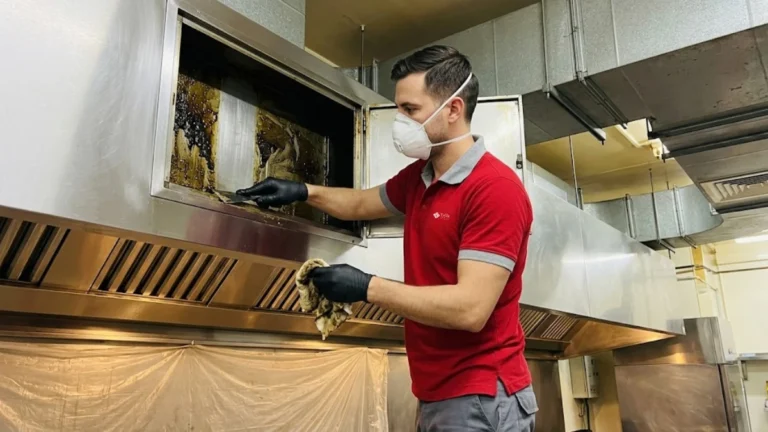
Quick Answer: Kitchen duct cleaning in Dubai addresses grease accumulation in horizontal and vertical ductwork carrying exhaust from hood to rooftop. Frequency depends on kitchen usage: 24/7 operations typically need monthly cleaning, high-volume restaurants need every 1-3 months, standard commercial kitchens follow 3-6 month cycles, and low-volume kitchens follow 6-12 month schedules based on their specific compliance requirements.
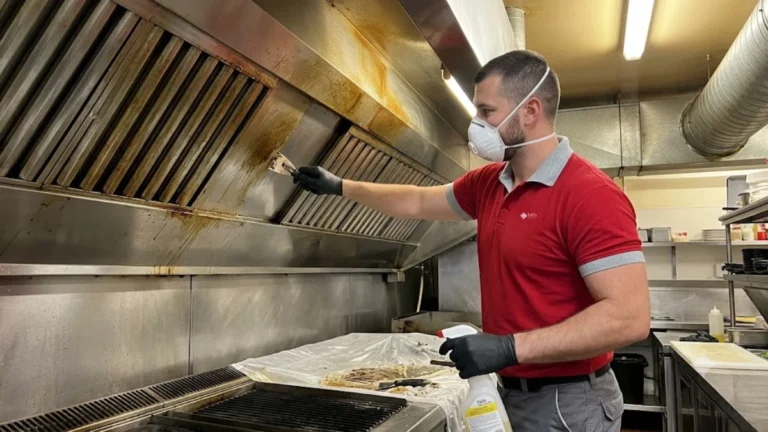
Commercial kitchen ductwork is where the majority of exhaust system contamination accumulates over time. While hood cleaning is often the visible portion of exhaust service, ducts carry grease-laden air over much longer distances and larger surface areas, gradually building deposits that become the primary fire hazard within the system. Duct cleaning is technically more challenging than hood cleaning because most duct sections are enclosed within walls, ceilings, or utility shafts, requiring specialised access equipment and trained technicians. Choose a qualified provider that can document the cleaning scope and provide records required by your property’s fire-safety procedures and applicable local requirements. We at Yalla Fix It deliver kitchen duct cleaning across Dubai commercial kitchens, from independent restaurants to hotel banquet operations, hospital canteens, and shopping mall food courts.
Why Kitchen Ducts Require Dedicated Cleaning Attention
Kitchen duct cleaning is not the same category of work as hood cleaning. Ducts present different access challenges, accumulate grease at different rates in different sections, and require different equipment to service properly. Treating duct cleaning as an extension of hood cleaning consistently produces incomplete work that fails compliance review.
How Ducts Differ from Hoods
The hood is the visible capture zone directly above cooking equipment, where grease-laden air first enters the exhaust system. Ducts are the enclosed pathways carrying that air from the hood through the building to the rooftop discharge point. Where hoods can be cleaned from below with visible access to all surfaces, ducts require access panels, specialised cameras for inspection, and often confined-space work protocols. This structural difference means duct cleaning follows different procedures and produces different documentation than related commercial ventilation cleaning across HVAC systems.
Horizontal vs Vertical Duct Accumulation
Grease accumulates differently in horizontal and vertical duct sections. Horizontal ducts accumulate faster because gravity pulls condensing grease onto lower duct surfaces, creating heavy deposits on the floor of the duct. Vertical ducts accumulate slower but more evenly around the circumference. Long horizontal runs with minimal slope drain poorly, creating grease pools that become the highest fire risk points in the entire system. Complex duct configurations with multiple bends, transitions, and shared trunks accumulate grease at connection points where airflow slows.
Dubai-Specific Duct Challenges
Dubai commercial kitchens face specific challenges that intensify duct grease accumulation:
- Long service days: 12-16 hour operations produce continuous grease deposition rather than distinct cleaning intervals
- Heavy-grease cuisines: Middle Eastern, Indian, and Asian frying cuisines produce grease loads that build faster than temperate-climate defaults suggest
- External dust load: Environmental dust enters through hood openings and binds with grease into stubborn hardened deposits
- High summer cooking temperatures: Extended peak service pushes systems harder, vaporising more oil per hour
- Continuous year-round operation: No seasonal slowdown allowing cleaning cycles to reset
What Happens When Kitchen Duct Cleaning Is Deferred
The consequences of deferred duct cleaning are more serious than the equivalent for hood cleaning because deposits accumulate in hidden locations where operators cannot visually assess conditions until problems become severe.
Phase 1: Airflow Degradation
Weeks past service date, grease coating on duct interior walls narrows the effective duct cross-section. Airflow drops measurably. The kitchen becomes smokier during peak cooking because exhaust removal cannot keep up with production. Fan motors work harder against restricted flow, consuming more energy and wearing faster.
Phase 2: Fuel-Load Buildup
Months past service date, grease hardens into fuel-grade deposits inside duct walls. Deposit thickness exceeds an eighth of an inch and becomes readily ignitable. Ignition sources include overheated fan motors, sparks travelling up from cooking equipment, and even friction from dislodged debris moving through the duct. When ignition occurs, fire spreads through the entire duct pathway in seconds because the deposit provides continuous fuel supply. When kitchens face active fire safety concerns, our same-day emergency response handles active commercial kitchen situations requiring same-day attention.
Phase 3: Structural Damage and Grease Migration
Grease trapping moisture accelerates duct wall corrosion. Heat cycling fatigues welds and connection joints. Rooftop exhaust fans that stopped functioning weeks earlier allow grease to drip back down through the duct system into ceiling voids, contaminating building structure and creating pest attraction. At this stage, duct replacement is often more economical than cleaning because damage is embedded in the ductwork itself.
Documentation and Compliance Exposure
Physical damage runs alongside compliance exposure:
- Insurance policies require documented cleaning at specified intervals; missing records give insurers grounds to deny fire claims
- Landlord agreements typically include cleaning frequency requirements creating lease compliance issues when unmet
- Fire safety reviews expect current cleaning records with photographic evidence
Complete Scope of Kitchen Duct Cleaning
Complete duct cleaning covers the entire pathway from hood connection to rooftop termination, treating the ductwork as an integrated system rather than a series of disconnected sections. Partial cleaning leaves grease reservoirs that migrate back into cleaned sections within days.
Horizontal Duct Cleaning
Horizontal duct sections require the most intensive cleaning attention because they accumulate the heaviest deposits. Access is typically the challenge here because most horizontal runs are enclosed within ceiling voids or utility spaces. Our technicians use installed access panels where available and create temporary access where necessary, then seal openings professionally after work.
Cleaning approach combines mechanical scraping for hardened deposits with commercial-grade degreasing chemistry. Pressure washing on accessible sections removes loosened deposits. Vacuum extraction captures loosened grease before it enters plumbing or ceiling voids. Beyond duct cleaning itself, our commercial deep cleaning support covers kitchen surfaces and equipment that need attention alongside exhaust service.
Vertical Duct Cleaning
Vertical duct sections require specialised access equipment because they typically run through utility shafts extending multiple floors. Access from below through hood connections handles limited vertical distance; access from above through rooftop equipment covers upper sections; intermediate access requires shaft entry through building service areas.
Cleaning follows a top-down sequence to prevent dislodged grease falling into already-cleaned sections. Chemistry choices account for vertical drainage: solutions that would pool horizontally must be applied differently in vertical sections to ensure complete surface contact.
Ecology Units and Specialised Equipment
Many modern Dubai kitchens include ecology units combining electrostatic precipitation with UV filtration to reduce airborne grease before it reaches ductwork. These units require specialised cleaning distinct from standard duct servicing:
- Electrostatic collector plates: Chemical soaking then careful mechanical cleaning
- UV lamp cleaning: Surface cleaning without touching operational lamp elements
- Grease collection trays: Removal, cleaning, and reinstallation with fresh grease absorbent material
- Housing and access panels: Standard degreasing and reassembly
Ecology units affect duct contamination rates significantly. Kitchens with functioning ecology units may extend duct cleaning cycles; kitchens with failed or missing ecology units accumulate duct grease faster.
Documentation Delivery
Complete documentation accompanies every duct cleaning:
- Cleaning certificate specifying date, scope, chemistry, and technician
- Dated pre-clean and post-clean photographs of key duct sections
- Chemistry records specifying products and application methods
- Observations noting duct condition requiring attention before next cleaning
How Kitchen Duct Cleaning Frequency Should Be Set
Setting the correct duct cleaning frequency requires evaluating operational factors specific to your kitchen. Generic industry defaults typically underserve Dubai kitchens due to intensified operating conditions. For multi-location operators, our integrated facility management coverage coordinates cleaning schedules across all locations under single-provider accountability.
Frequency by Kitchen Type
Recommended cleaning intervals vary significantly by kitchen operational profile:
- 24/7 hotels and hospitals: Monthly cleaning to match continuous cooking loads
- High-volume restaurants and food courts: Every 1-3 months for busy multi-shift operations
- Standard full-service restaurants: Every 3-6 months for regular commercial operations
- Wok, tandoor, and heavy-grill kitchens: Every 3 months regardless of hours due to grease profile
- Bakeries and cafés: Every 6-12 months for lighter cooking loads
- Corporate cafeterias and staff canteens: Every 6 months for typical business-hours operation
Cooking Volume and Fuel Type
Cooking volume is the primary frequency driver, but fuel type modifies volume-based calculations significantly. Solid-fuel cooking including tandoors, charcoal grills, and wood-fired ovens adds soot and creosote to the grease profile, requiring more frequent cleaning than gas or electric operations of equivalent volume. High-BTU wok burners produce more airborne grease than lower-BTU stove burners. Continuous frying operations accumulate faster than intermittent frying.
Kitchen-Specific Assessment
Our assessment evaluates cooking volume, cuisine type, equipment mix, hood and duct configuration, and observed accumulation from prior visits to set the appropriate frequency for each kitchen. Kitchens showing heavy accumulation at scheduled cleaning receive tightened cycles; consistently clean kitchens may extend cycles.
What Professional Kitchen Duct Cleaning Involves
Professional duct cleaning is a structured multi-stage process requiring specialised equipment, trained technicians, and access planning that domestic-grade providers cannot match.
Pre-Cleaning Preparation
Preparation involves protecting kitchen equipment, floors, and adjacent areas from cleaning chemicals and dislodged grease. Cooking equipment is covered, floors receive protective sheeting, and drainage points are protected from grease runoff. Access panel identification and inspection precede the cleaning work itself.
Cleaning Sequence
The cleaning sequence follows the exhaust airflow in reverse to prevent recontamination:
- Rooftop termination and exhaust fan first: Dislodged grease falls into ducts still to be cleaned
- Vertical duct sections top-down: Access through installed or created panels
- Horizontal duct runs: Mechanical scraping plus chemistry from hood-end back to vertical junctions
- Duct-hood connection points: Where horizontal ducts meet hood plenum, typically heavily contaminated
- Hood plenum and interior: Final upper hood work
- Filter bank and hood exterior: Standard hood cleaning to complete the service
Chemistry and Mechanical Work
Chemistry choices vary by surface, grease age, and duct material. Fresh grease responds to standard alkaline degreasers. Aged hardened deposits require stronger solvents with longer dwell times. Painted or galvanised duct interiors need chemistry compatible with the surface to prevent corrosion. Kitchens sharing water systems with adjacent food operations benefit from coordinated food-grade water tank hygiene alongside duct cleaning.
Industries and Kitchen Types We Serve
Our duct cleaning coverage extends across the full range of commercial food operations in Dubai, each with distinct operational patterns requiring calibrated cleaning approaches.
Restaurants and Hotels
Coverage spans quick-service outlets with high-volume standardised operations, casual dining with moderate loads, fine dining with concentrated service periods, and specialty cuisine venues. Hotels combine multiple kitchen types under single management: main restaurant kitchens, banquet kitchens, staff canteens, and specialty outlets. Coordinated coverage across hotel operations ensures scheduling works with event calendars and provides consistent documentation across all locations.
Healthcare and Educational Facilities
Hospital kitchens, clinic catering, and specialised dietary facilities combine commercial cooking loads with hygiene standards exceeding typical restaurant requirements. Educational institutions run school canteens, university dining halls, and staff cafeterias with seasonal patterns tied to academic calendars, allowing cleaning to align with school breaks for minimal disruption. Educational institutions typically manage these operations through structured maintenance packages for commercial facilities that align duct cleaning with academic schedules, while campus staff residential facilities may be served through separate preventive home maintenance plans.
Retail and Commercial Food Operations
Commercial office pantries, retail food operations, and shopping mall food courts complete the coverage span, from single-outlet corporate cafeterias to multi-outlet food courts requiring coordinated scheduling across all vendor kitchens.
Choosing a Qualified Kitchen Duct Cleaning Provider
Provider selection matters because incomplete duct cleaning creates continuing fire risk and audit-vulnerable documentation while appearing complete on the surface. Choose a qualified provider that can document the cleaning scope and provide records required by your property’s fire-safety procedures and applicable local requirements.
Access Equipment and Technical Capability
Duct cleaning requires access equipment beyond what general cleaning providers typically own. Verify providers have professional-grade access tools, camera inspection equipment, and confined-space work capability appropriate for duct work. Providers lacking this equipment cannot deliver complete duct cleaning regardless of marketing claims.
Insurance and Licensing Coverage
Legitimate providers hold three specific credentials:
- Public liability insurance covering commercial kitchen work at appropriate coverage levels
- Workers compensation for technicians working at height and in confined spaces
- Trade licenses covering commercial cleaning work
Ask for current documentation rather than accepting general statements. Similar rigour applies to related commercial specialty cleaning: providers offering garbage chute cleaning coverage or industrial cleaning should demonstrate equivalent category expertise.
Scope Specification and Documentation Samples
Qualified providers offer written scope specifications listing every duct section and component to be cleaned rather than general statements. Ask specifically about horizontal versus vertical duct coverage, ecology unit servicing where installed, and rooftop termination cleaning. Request sample documentation packages from previous work to verify what you will actually receive after cleaning.
How Yalla Fix It Approaches Kitchen Duct Cleaning
We coordinate kitchen duct cleaning across Dubai commercial kitchens through structured service delivery combining operational depth with specialised category expertise. Our 75+ DEWA-certified technicians handle duct cleaning as a scheduled safety-critical service, providing the operational discipline commercial kitchens require. Coverage extends across all Dubai commercial kitchen types with cleaning frequencies calibrated to specific operational patterns, delivered by DEWA-certified electrical and mechanical specialists qualified for the complete scope of duct system work including exhaust fan and motor servicing.
Book Kitchen Duct Cleaning With Yalla Fix It
Yalla Fix It delivers professional kitchen duct cleaning across Dubai commercial kitchens, backed by 10,000+ maintenance and repair jobs completed, 75+ DEWA-certified technicians, and 24/7 emergency support. Our service coverage includes horizontal and vertical duct sections, ecology unit servicing, rooftop termination cleaning, specialised degreasing chemistry, and delivery of documented records after every service. Contact us today to discuss duct cleaning for your Dubai commercial kitchen.
Frequently Asked Questions
How often should kitchen ducts be cleaned in Dubai?
Cleaning frequency depends on kitchen usage: 24/7 hotels and hospitals need monthly cleaning, high-volume restaurants need every 1-3 months, standard commercial kitchens follow 3-6 month cycles, and low-volume kitchens follow 6-12 month schedules based on specific compliance requirements.
What is the difference between hood cleaning and duct cleaning?
Hood cleaning addresses the visible capture zone above cooking equipment. Duct cleaning addresses the enclosed ductwork carrying grease-laden air from hood to rooftop. Both are required, but they follow different procedures and are typically scheduled on different cadences.
Why do ducts accumulate grease faster than hoods?
Ducts have significantly more surface area than hoods and carry grease-laden air over long distances. As the air cools through the duct, oil droplets condense and deposit onto duct walls, accumulating faster in horizontal sections where gravity assists deposit formation.
What does complete duct cleaning include?
Complete cleaning covers horizontal duct runs through the full length, vertical duct sections, duct-hood connection points, exhaust fan blade and housing cleaning, rooftop termination cleaning, ecology unit servicing where installed, and complete documentation delivery.
What documentation should duct cleaning provide?
Complete documentation includes a cleaning certificate with date and scope, dated pre-clean and post-clean photographs of key duct sections, chemistry records specifying products and application methods, technician identification, next service due date, and observations on duct conditions.
How do I choose a qualified duct cleaning provider?
Choose a qualified provider that can document the cleaning scope and provide records required by your property’s fire-safety procedures and applicable local requirements. Verify access equipment capability, current insurance coverage, and request sample documentation packages.
What happens if kitchen duct cleaning is deferred?
Deferred cleaning creates compounding problems: airflow restriction within weeks past service date, ignitable grease deposits within weeks to months, structural damage over months, and documentation gaps exposing operators to insurance denial. Reactive cleaning after issues develop typically costs significantly more than preventive service would have cost.