DLP Period Meaning in Dubai: What Your Developer Is Still Liable For
Most Dubai property buyers hear about DLP only when a defect appears in their new property and someone tells them “you should raise this under DLP.” Understanding the framework matters at that point because the DLP has specific tiers, specific timelines, and specific submission requirements. Missing any of these can close the window on defects that were legitimately the developer’s obligation to fix. This guide walks through what DLP actually means in Dubai property law, the specific defects covered under each liability tier, and where to book property snagging in Dubai that supports DLP submissions.
Understanding the DLP Framework in Dubai
DLP stands for Defect Liability Period. It is the statutory window during which a Dubai developer remains legally liable for defects in a property they delivered. The framework is defined under UAE property law and applies to all developer-delivered property, whether apartment, villa, townhouse, or commercial unit. Understanding how it works starts with recognising that Dubai does not run a single flat liability period. It runs a two-tier system with different windows for different defect categories.
The Two Tiers That Define the System
The non-structural DLP runs 12 months from the date of property handover. The structural DLP runs 10 years from the date of the building completion certificate issued by the relevant regulator. These are not overlapping windows for the same defects. They are separate windows for different defect categories, each with its own trigger date and its own scope of coverage.
When Each Tier Starts Running
Non-structural DLP starts at handover, meaning the date the property is physically transferred to the buyer with keys and access. This is typically the date most buyers focus on. Structural DLP starts earlier, at the building completion certificate date, which typically predates individual unit handover by weeks or months. This difference matters when calculating how much of the structural liability period has already elapsed by the time you receive your keys.
Property Handover Checklist for Dubai Buyers for the pre-handover verification framework that establishes the exact date your 12-month DLP clock starts.
What the 12-Month Non-Structural DLP Actually Covers
The 12-month window covers the vast majority of defects that emerge in the first year of occupancy. Understanding what falls under it clarifies which issues you should be tracking closely as your first year progresses.
MEP Defects Across Electrical, Plumbing, and HVAC
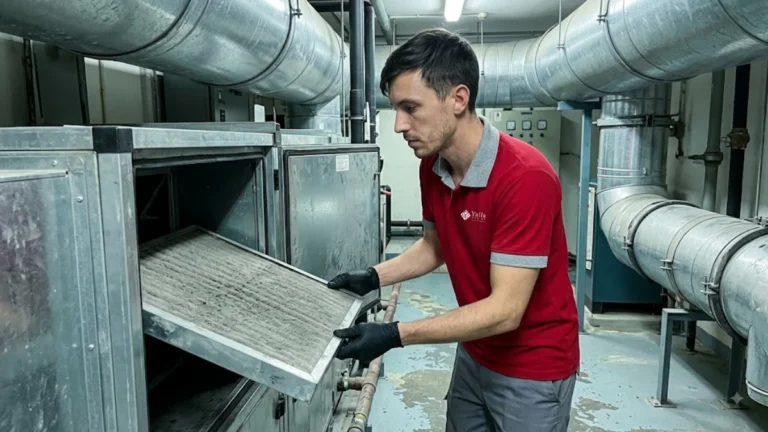
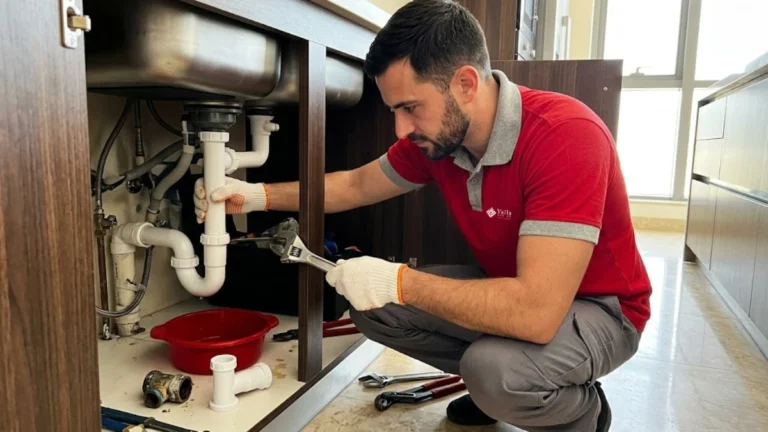
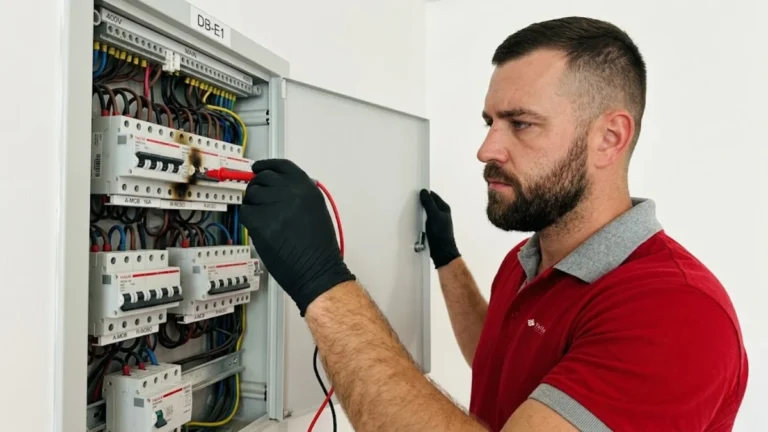
Mechanical, electrical, and plumbing defects sit at the heart of the 12-month DLP. Electrical distribution board issues, socket or switch failures, water heater faults, plumbing leaks, drain blockages, water pressure problems, HVAC malfunctions, cooling system faults, and any MEP issue that emerges in the first year all carry developer liability under this window. For failures that pose immediate safety risk or active damage while the DLP is being processed, emergency maintenance services in Dubai contain the damage before it escalates while the developer arranges rectification.
Finishing Defects Across Every Surface and Fixture
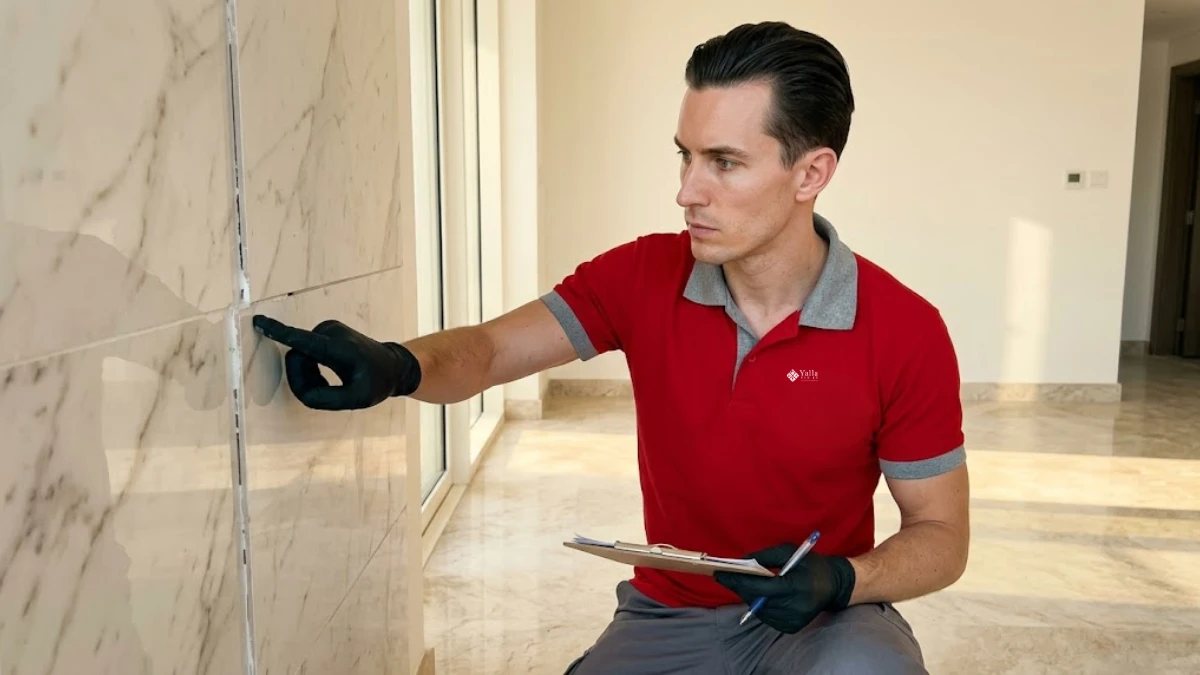
The 12-month DLP also covers finishing defects that were present at handover but not immediately visible, or that emerge as normal use reveals them. Tile cracks and misalignment, cabinet and joinery issues, paint defects, silicone application problems, door and window alignment issues, and any flooring defect all fall in scope.
Functional Defects in Daily Use
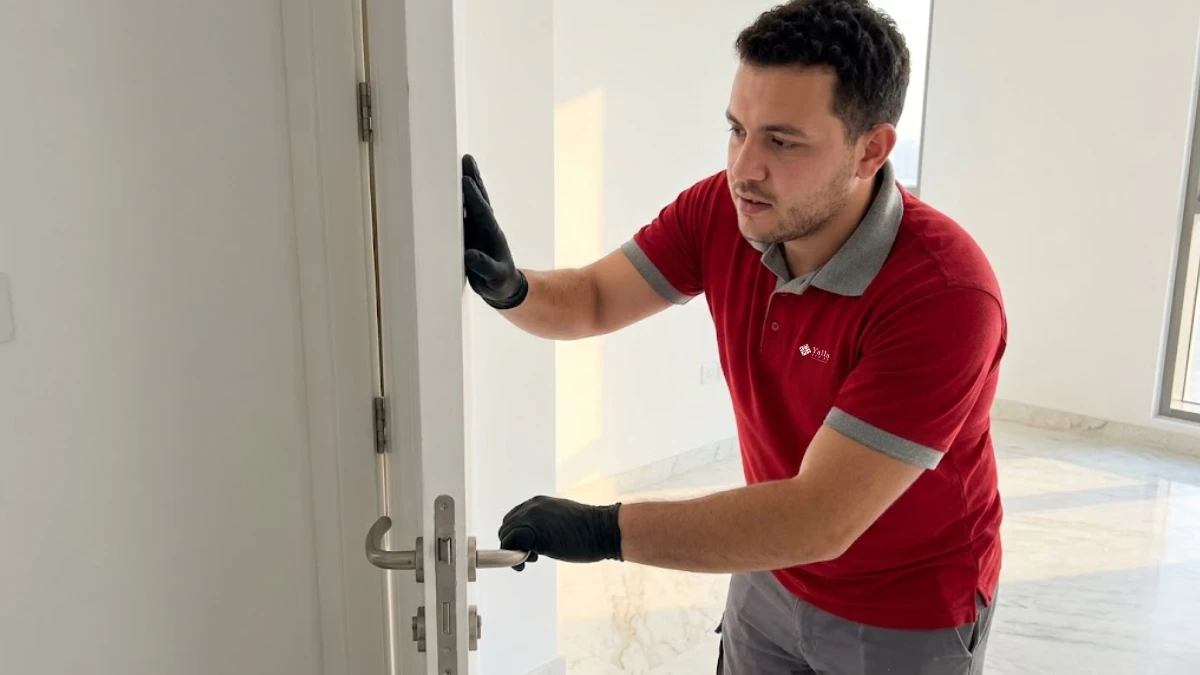
Beyond MEP and finishing, the 12-month DLP covers functional defects that surface only through use. Doors that do not close correctly, windows that stick, drawers that misalign, safety systems that fail operational verification, and any fixture that does not perform as designed all trigger developer liability if reported within the window.
New Build Snagging Checklist for Dubai Homes for the room-by-room inspection framework that catches the defects covered under the 12-month DLP.
What the 10-Year Structural DLP Actually Covers
The 10-year window is narrower in scope but far longer in duration. It exists specifically to protect buyers against structural defects that may not become visible for years after handover.
Load-Bearing Elements and Foundation Systems
Structural DLP covers load-bearing walls, structural columns, beam elements, foundation systems, and structural slabs, the elements that carry building load and hold the structure together. Damage or deterioration in any of these remains developer liability for the extended period, giving buyers protection against latent defects that only manifest over time. For commercial property buyers, structural coverage matters at both the base-build stage and after commercial fit-out services in Dubai are complete, since fit-out work does not restart the structural DLP clock on the underlying building.
The Structural Defects That Trigger Claims
Structural cracks in load-bearing elements, foundation settlement, structural water intrusion affecting integrity, and any defect that threatens building safety all trigger 10-year DLP claims. These are typically not visible at handover and often not visible for years, which is precisely why the extended window exists.
The Boundary Between Structural and Non-Structural
The 10-year DLP applies specifically to structural defects. Non-structural defects that emerge after the 12-month period do not carry enforceable developer liability, even if the property is still within the 10-year structural window. Distinguishing structural from non-structural often requires professional assessment, particularly for cracks and moisture issues that could go either way.
How to Preserve Your DLP Claim
The DLP framework only protects you if you submit defects properly and on time. Missing the submission window or using informal channels leaves defects unprotected regardless of severity.
Why Written Submission Matters
Written reports create the dated evidence base that makes claims enforceable. Verbal reports, WhatsApp messages, and social media complaints do not activate the same legal foundation. Formal email with the snag report attached is the accepted format. This is not bureaucratic caution, it is the specific mechanism that preserves your position if the developer disputes the claim or stalls on rectification.
What Your Submission Should Contain
Submit defects to the developer’s customer care or aftersales department by email. Reference the applicable DLP period explicitly. Attach the full snag report with photographic evidence. Request a written rectification plan with timeline within 7 to 14 days. Save the sent email with read receipt as evidence of the submission.
What Happens When the Window Closes During Rectification
Defects reported within the DLP but not yet rectified retain their claim status even if the window closes while rectification is in progress. The submission timing is what matters, not the completion timing. Defects reported after the window closes typically do not carry enforceable claims, requiring negotiation without legal foundation.
Snag Report Meaning and How to Read Yours for the submission tool that structures your DLP claim, including the fields and evidence developers require.
When Dubai Buyers Should Book Professional Snagging
Professional snagging support is valuable across the DLP lifecycle, not only at handover. Several scenarios make it particularly worthwhile:
- Approaching your developer handover date, where a professional snag report submitted within the DLP window catches defects while the developer is still obligated to fix them
- Approaching your 12-month DLP expiry, where a comprehensive walkthrough catches defects that emerged during the first year of occupancy before the window closes
- Suspecting potential structural defects, where professional assessment distinguishes structural from cosmetic wear and clarifies whether the 10-year window applies
- Preparing to submit a DLP claim, where documented evidence with photographic support strengthens the submission significantly
- Uncertain whether specific defects fall under DLP, where professional guidance clarifies classification and submission strategy
Book DLP Snagging Support With Yalla Fix It
Yalla Fix It delivers professional property snagging services across Dubai, backed by 10,000+ maintenance and repair jobs completed, 95% customer satisfaction, 75+ DEWA-certified technicians, and 24/7 emergency support. Our snagging service produces documented reports suitable for DLP submissions, covers both non-structural and structural defect identification, and supports buyers through the developer submission process. For ongoing property care after the DLP window closes, home annual maintenance contracts in Dubai or commercial annual maintenance contracts in Dubai coordinate AC, plumbing, electrical, and handyman coverage across the year. Contact us today to book DLP snagging inspection for your Dubai property.
Frequently Asked Questions
What does DLP period mean?
DLP means Defect Liability Period, the statutory window during which a Dubai developer remains liable for property defects. It runs 12 months for non-structural defects from handover, and 10 years for structural defects from the building completion certificate.
How long is the DLP in Dubai?
The DLP in Dubai has two tiers: 12 months for non-structural, MEP, and finishing defects starting at handover, and 10 years for structural defects starting at the building completion certificate.
What defects are covered under the 12-month DLP?
The 12-month DLP covers MEP defects (electrical, plumbing, HVAC), finishing defects (tiles, paint, joinery), functional defects (doors, windows, fixtures), and any non-structural issue emerging in the first year.
What defects are covered under the 10-year DLP?
The 10-year DLP covers structural defects only: load-bearing walls, columns, foundations, structural slabs, structural cracks, and any element affecting building integrity.
When does the DLP period start?
Non-structural DLP starts at property handover (key transfer). Structural DLP starts at the building completion certificate date, which typically predates unit handover.
How do I preserve my DLP claim?
Submit defects in writing to the developer within the applicable DLP window. Use formal email with the snag report attached. Reference the DLP period explicitly. Request a rectification plan with timeline. Save all correspondence as evidence.