De Snagging in Dubai: How Property Defects Get Rectified After Snagging
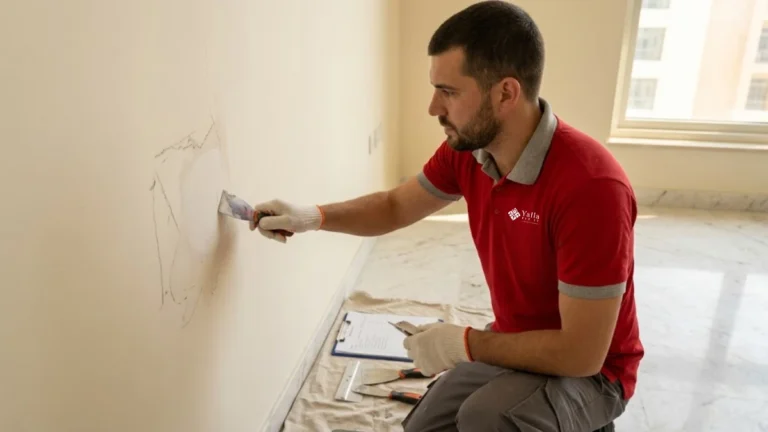
Quick Answer: De snagging in Dubai is the re-inspection process that verifies developer or contractor defect rectification work meets acceptable standards after initial snagging. Verification confirms all previously identified defects have been properly fixed and checks for new damage caused during rectification work. Schedule this re-inspection before signing the property handover certificate to protect your acceptance rights.
This verification serves as the critical stage that closes the property handover quality assurance cycle in Dubai. While initial snagging identifies defects for developer rectification, re-inspection verifies that rectification work was actually completed to acceptable standards and identifies any new issues created during repair work. Without professional verification, property buyers risk accepting rushed or incomplete rectification that creates ongoing property issues after handover. Understanding what verification covers, when to schedule it, and how to choose qualified providers helps Dubai property owners protect their investment through the complete handover cycle. Choose a qualified provider that can document the cleaning scope and provide records required by your property’s fire-safety procedures and applicable local requirements. We at Yalla Fix It coordinate handover verification services across Dubai residential and commercial properties through our de snagging property snagging coverage with structured verification and documented reporting.
What De Snagging Means in Dubai Handover
This verification is a specific step in the Dubai handover process that follows initial snagging inspection and subsequent developer rectification work. Understanding what verification covers helps property buyers plan the complete quality assurance sequence before signing handover documents.
Verification vs Initial Snagging
Initial snagging and post-rectification review serve different purposes in the handover cycle:
- Initial snagging: Identifies defects requiring developer rectification, documented in numbered snag list
- Developer rectification period: Contractor performs repair work on identified defects
- Verification stage: Confirms rectification quality and identifies any new damage from repair work
- Handover acceptance: Signed only after verification confirms acceptable property condition
Related building system checks often coordinate with our de snagging ventilation system checks that verify HVAC integrity after rectification work.
Snag Rectification Standards
Acceptable snag rectification meets specific standards verified through re-inspection:
- Complete defect closure: All previously identified defects fully rectified, not just partially addressed
- No new damage: Rectification work not creating new issues in adjacent areas
- Quality of repair work: Repairs matching original property specification standards
- Documented evidence: Clear records showing what was fixed and how
- System functionality verification: Mechanical, electrical, and plumbing systems operating correctly after work
Why Handover Verification Matters for Dubai Buyers
Handover verification protects buyers from specific risks that arise between initial snagging and final handover acceptance. Understanding these risks helps buyers appreciate why professional verification is essential rather than optional. Choose a qualified provider that can document the cleaning scope and provide records required by your property’s fire-safety procedures and applicable local requirements.
Rushed Rectification Risks
Developer rectification schedules often create pressure that leads to substandard work:
- Time pressure on contractors: Tight handover schedules encouraging rushed repair work
- Multiple contractor coordination: Different trades causing quality inconsistencies
- Cost pressure: Contractors cutting corners to meet budget constraints
- Subcontractor variation: Original contractors and repair contractors may differ in quality
- Documentation gaps: Insufficient records of what was actually done versus documented
For active handover situations requiring immediate response, our de snagging emergency support provides same-day verification across Dubai residential and commercial properties.
New Damage from Rectification Work
Rectification work itself can create new issues that re-inspection identifies:
- Damage to adjacent surfaces: Repair work affecting nearby walls, floors, or fixtures
- Paint mismatches: Colour variations from touch-up work not matching original
- New scratches or marks: Damage from tools, equipment, or worker access
- Sealant and grout disturbance: Existing sealed joints damaged during repair access
- Fixture reinstallation issues: Fixtures removed for repair not properly reinstalled
When to Schedule Handover Verification in Dubai
Verification fits into a specific window in the handover sequence. Understanding this timing helps buyers coordinate all quality assurance steps before signing handover documents.
Optimal Verification Timing
Verification typically occurs at specific points in the handover cycle:
- After developer notifies rectification complete: Formal notification that snag list items have been addressed
- Before signing handover certificate: Preserves rights to require additional rectification
- Within DLP window: Ensures verification happens while developer liability is active
- Before major furniture installation: Prevents complications from post-move-in access
- Coordinated with utility activation: DEWA and chiller activation timing supports full system testing
Sometimes water quality issues emerge during verification – coordinated de snagging water tank verification covers water system assessment alongside defect verification.
Scenarios Requiring Multiple Verification Visits
Some properties require multiple verification visits due to complex rectification:
- Extensive initial defect lists: Properties with many defects may need staged rectification and verification
- Structural or major system repairs: Complex work may reveal additional issues during verification
- Disputed rectification quality: When initial verification identifies unacceptable work quality
- Post-handover DLP inspections: End-of-DLP verification for warranty-covered issues
What Happens During Professional Verification Inspection
Professional handover verification follows a structured process covering both original defect resolution and identifies any new issues. Understanding what the inspection involves helps property buyers evaluate provider quotes and recognise complete versus reduced scope service. For post-inspection cleaning after verification identifies remediation needs, our de snagging post-repair cleaning coordination covers property preparation for handover acceptance.
Pre-Verification Preparation
Preparation ensures effective on-site verification work:
- Original snag list review: Verification against numbered defect list from initial snagging
- Developer rectification documentation review: Records of what work was performed
- Property access coordination: Access to all areas including previously rectified spaces
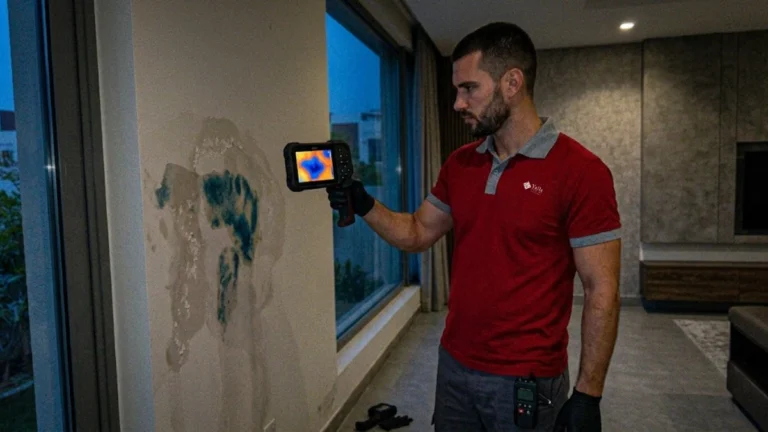
- Equipment preparation: Cameras, moisture meters, and testing equipment
- Owner briefing: Discussion of concerns and priority verification areas
Verification Inspection Sequence
Professional re-inspection follows a structured process:
- Numbered defect verification: Working through original snag list item by item
- Rectification quality assessment: Evaluating each repair against acceptable standards
- Adjacent area inspection: Checking areas surrounding repair work for new damage
- System functionality testing: Verifying mechanical systems operate correctly post-repair
- New defect identification: Documenting any new issues discovered during inspection
- Photographic documentation: Complete photographic evidence of all findings
- Report preparation: Written report classifying each original defect as resolved or outstanding
- Debrief with owner: Face-to-face discussion of findings and next steps
Documentation Standards
Complete verification documentation supports owner decisions about handover acceptance:
- Item-by-item status: Each original defect marked as resolved, partially resolved, or outstanding
- New defect list: Any new issues identified during verification
- Photographic evidence: Before and after photos supporting each status determination
- Recommendation for handover: Clear guidance on whether to accept, request additional work, or escalate
- Escalation guidance: Steps if developer disputes findings
Factors That Affect Verification Requirements
Verification scope and complexity vary based on multiple factors. Understanding these factors helps property buyers set realistic expectations. For multi-property investors, our de snagging portfolio coordination manages verification across multiple properties under single-provider accountability.
Original Snag List Complexity
Complexity of initial defects affects verification requirements:
- Number of original defects: More defects require longer re-inspection visits
- Severity mix: Structural and mechanical defects require deeper verification than cosmetic issues
- System involvement: Defects affecting mechanical systems need functional testing
- Documentation quality: Poor original documentation makes verification harder
Developer and Contractor Factors
Developer patterns affect verification approach:
- Developer track record: Some developers deliver more consistent rectification quality
- Contractor experience: Repair contractor expertise affects quality of work
- Rectification timeline: Rushed schedules typically produce lower quality work
- Communication quality: Clear documentation supports smoother verification
Property Type and Complexity
Property characteristics affect verification scope:
- Property size: Larger properties require longer verification visits
- Property type: Villas typically need more time than apartments
- System complexity: More complex systems need more extensive testing
- Age of property: Newer properties typically have different defect patterns than older properties
Common Issues Found During Verification
Certain defects consistently appear during verification even after developer rectification work. Understanding common issues helps buyers focus attention on high-risk areas during verification.
Cosmetic and Finishing Issues
Finishing work commonly requires re-verification:
- Paint touch-up mismatches: Colour differences between original and repair paint
- Grout and sealant gaps: New gaps in bathroom or kitchen sealing
- Tile alignment issues: Replacement tiles not matching surrounding pattern
- Wall repair visibility: Patched areas visible under lighting
- Fixture alignment: Reinstalled fixtures not properly positioned
Mechanical System Issues
System work often requires additional verification:
- AC performance changes: Cooling performance different after component work
- Plumbing pressure changes: Water pressure or flow variations after pipe work
- Electrical outlet issues: Sockets or switches not functioning after wiring work
- Ventilation problems: Exhaust or intake issues after HVAC work
- Water heater performance: Different heating patterns after servicing, sometimes requiring de snagging AC service verification for related cooling system checks
Choosing a Qualified Verification Provider
Provider selection matters significantly for handover verification because unqualified inspection creates false confidence and misses issues that become expensive problems after handover acceptance. Choose a qualified provider that can document the cleaning scope and provide records required by your property’s fire-safety procedures and applicable local requirements.
Independence from Developer
Verification providers must be independent from the developer for effective results:
- No conflict of interest: Verify provider has no business relationship with your developer
- Independent reporting: Reports serve buyer interests, not developer schedules
- Willingness to identify issues: Provider willing to document rectification failures
- Escalation support: Guidance if developer disputes findings
Multi-Trade Verification Capability
Complete post-rectification review requires verification across multiple trade categories including de snagging electrical verification and de snagging plumbing verification alongside structural and finishing assessment. Providers with in-house multi-trade capability deliver more complete verification than single-trade providers requiring subcontracting.
Documentation and Reporting Standards
Report quality separates qualified providers from those delivering superficial verification. Educational and institutional property portfolios typically coordinate de snagging through de snagging institutional coverage that maintains verification standards across all campus properties, while individual homeowners may prefer de snagging home care packages that integrate verification with ongoing maintenance.
How Yalla Fix It Approaches Handover Verification
We coordinate handover verification across Dubai residential and commercial properties through structured verification service combining operational depth with multi-trade expertise. Our 75+ DEWA-certified technicians handle re-inspection as an independent verification service, providing the objectivity property buyers need for handover decisions. Coverage extends across all Dubai residential communities and commercial properties with verification scope calibrated to original snag list complexity and property type. Beyond verification itself, our de snagging shared building support covers common area verification for buyers accepting properties in multi-unit buildings.
Book Handover Verification With Yalla Fix It
Yalla Fix It coordinates professional handover verification across Dubai residential and commercial properties, backed by 10,000+ maintenance and repair jobs completed, 75+ DEWA-certified technicians, and 24/7 emergency support. Our verification coverage includes original defect verification, adjacent damage inspection, system functionality testing, and complete documentation supporting handover decisions. Contact us today to discuss handover verification for your Dubai property.
Frequently Asked Questions
What is de snagging in Dubai handover?
De snagging is the re-inspection process that verifies developer or contractor defect rectification work meets acceptable standards after initial snagging. It confirms all previously identified defects have been properly fixed and identifies any new damage from repair work.
When should I schedule handover verification?
Schedule verification after the developer notifies rectification complete but before signing the handover certificate. This timing preserves your acceptance rights and ensures verification happens within the developer liability window.
What is the difference between snagging and de snagging?
Initial snagging identifies defects requiring developer rectification. De snagging verifies that rectification was completed to acceptable standards and identifies any new issues created during repair work. Both steps are essential for defect-free handover.
Do I need verification if I already had snagging done?
Yes. Rushed developer rectification often produces incomplete or substandard work. Rectification can also create new damage in adjacent areas. Professional verification protects against accepting rushed or incomplete repair work.
How long does handover verification take?
Standard apartment verification typically takes 2-4 hours. Villa verification may take 4-6 hours depending on original snag list complexity. Properties with extensive original defects may require multiple verification visits.
What happens if verification finds unfixed defects?
Unresolved defects require developer response before handover acceptance. Options include additional rectification time, escalation to RERA if developer refuses cooperation, or negotiation of remediation credit. Do not sign handover acceptance until material defects are resolved.
Does Yalla Fix It provide handover verification across all Dubai areas?
We serve all Dubai residential and commercial communities including Downtown, Business Bay, Dubai Marina, JLT, Palm Jumeirah, Dubai Hills, Arabian Ranches, and other locations across Dubai.