Upholstery Cleaning Schedule in Dubai: How Often by Household Type
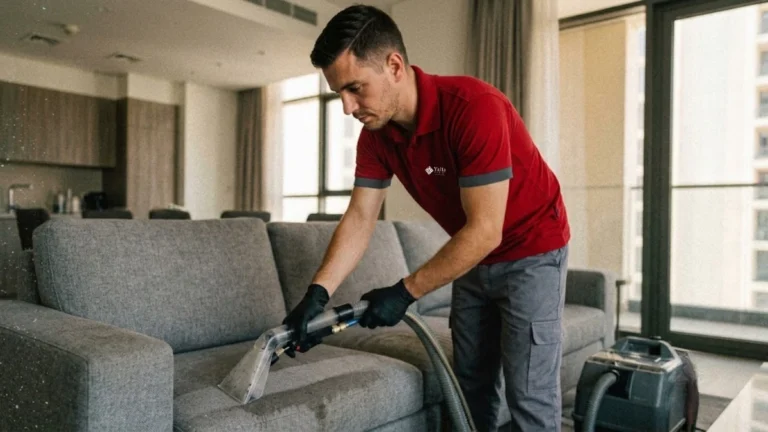
Quick Answer: Upholstery in Dubai homes should be professionally cleaned every 6 to 12 months for standard households, every 3 to 6 months for homes with pets, children, or heavy use, and every 12 to 24 months for delicate luxury upholstery with light use. Dubai’s dust, humidity, and climate accelerate soiling and require more frequent care than temperate regions.
Upholstery cleaning frequency depends on household composition, fabric type, and daily use patterns. Dubai’s environmental conditions, including desert dust, air conditioning cycles, and coastal humidity, accelerate upholstery soiling compared to temperate climates where international frequency defaults were established. Understanding the appropriate cleaning cadence for your specific home helps you preserve furniture appearance, extend fabric lifespan, and maintain indoor air quality. Choose a qualified provider that can document the cleaning scope and provide records required by your property’s fire-safety procedures and applicable local requirements. We at Yalla Fix It coordinate upholstery cleaning across Dubai homes and commercial properties, including sofa cleaning, curtain cleaning, and specialised fabric care.
Recommended Upholstery Cleaning Frequency by Household Type
Different households produce different upholstery contamination profiles. Understanding your specific household’s pattern helps set the right upholstery cleaning cadence without under-servicing (allowing allergens and bacteria to accumulate) or over-servicing (unnecessary cost and unnecessary fabric wear).
Standard and Light-Use Households
Homes without pets, young children, or heavy use can follow moderate cleaning cycles calibrated to occupancy patterns:
- Standard households (adults only, no pets): Every 6 to 12 months for regular use furniture
- Formal or occasional-use rooms: Every 12 to 18 months for lightly-used furniture
- Luxury or delicate fabrics: Every 12 to 24 months with careful specialist care
- Guest rooms and secondary spaces: Every 12 months for infrequently occupied areas
Related commercial cleaning coverage often coordinates with upholstery cleaning during broader home maintenance visits to reduce disruption.
Households with Children or Heavy Use
Homes with active families, children, or high-traffic living areas need tightened cleaning cycles:
- Households with children: Every 3 to 6 months due to spills, food, and heavier contact
- High-traffic living rooms: Every 4 to 6 months due to daily heavy use
- Family entertainment spaces: Every 4 to 6 months for shared use furniture
- Homes with frequent guests: Every 6 months due to varied contact patterns
Households with Pets or Health Considerations
Pet ownership and health conditions require more frequent upholstery cleaning to control allergens, dander, and pet-specific contamination:
- Households with pets: Every 3 to 6 months for hair, dander, and pet-related soiling
- Households with allergies or asthma: Every 3 to 4 months to control dust mites and allergens
- Homes with elderly or immunocompromised residents: Every 3 to 6 months for hygiene support
- Post-illness deep cleaning: Immediate professional service regardless of scheduled cadence

Upholstery Cleaning Frequency by Furniture Type
Different upholstery items accumulate soiling at different rates based on contact frequency, fabric structure, and location within the home. Understanding these differences helps prioritise upholstery cleaning attention where it matters most.
High-Contact Furniture
Furniture receiving daily contact accumulates soiling fastest and needs most frequent professional attention:
- Sofas and couches: Every 6 to 12 months for standard use, every 3 to 6 months for family living areas
- Dining chairs: Every 4 to 8 months due to food contact and frequent use
- Office chairs: Every 4 to 8 months for regularly used home office furniture
- Ottomans and footstools: Every 6 to 12 months, tightened cycles for households with pets
Bedroom and Decorative Items
Bedroom and decorative upholstery follows different cadence based on contact patterns:
- Bedroom headboards: Every 12 months for standard use, more frequent for allergy management
- Cushions and throw pillows: Every 6 months as decorative items collect dust rapidly
- Ottomans in bedrooms: Every 12 months for typical bedroom use
- Accent chairs: Every 12 months for occasional-use chairs
Curtains and Window Treatments
Window treatments require distinct cleaning approach and typically follow different cadence than seating furniture:
- Curtains and drapes: Every 6 to 12 months for standard use, addressed through professional curtain cleaning services in Dubai
- Blackout curtains: Every 6 months due to dust attraction
- Sheer curtains: Every 6 to 12 months depending on fabric
- Roman shades and fabric blinds: Every 12 months for standard use
Why Dubai’s Climate Requires More Frequent Upholstery Cleaning
Dubai’s environmental conditions create specific challenges that make upholstery cleaning frequency higher than temperate climate recommendations. Understanding these factors helps homeowners recognise why regional cleaning cadences differ from generic international guidance. When homes face active fabric emergencies from spills or damage, our same-day emergency response provides rapid attention to prevent permanent staining.
Climate Factors Accelerating Soiling
Multiple environmental factors combine to shorten upholstery cleaning intervals in Dubai:
- Desert dust infiltration: Fine sand and dust enter through doors, windows, and ventilation, settling into fabric fibres
- Air conditioning cycles: Constant AC use circulates airborne particles that settle on upholstery surfaces
- Coastal humidity: High humidity in coastal Dubai creates conditions supporting bacteria and dust mite populations
- Indoor lifestyle patterns: Extended indoor time in hot months increases upholstery contact and soiling
- Fabric fibre degradation: Combined humidity and dust accelerate fibre wear without regular cleaning
Humidity and Mold Risk
High humidity in Dubai coastal areas creates specific mold risk in fabric that temperate climates rarely face. Trapped moisture in cushions, mattresses, and thick fabric items can develop mold within weeks, particularly in poorly-ventilated spaces. Persistent musty odours or visible discoloration may indicate mold requiring specialised remediation.
Consequences of Applying Temperate Guidance
Applying international upholstery frequency guidance directly to Dubai homes typically underserves furniture care needs by 30-50%. Homes following temperate-climate schedules routinely experience embedded soiling, allergen accumulation, and premature fabric wear that structured Dubai-appropriate cadence would prevent.

Signs Your Upholstery Needs Cleaning Sooner
Regardless of scheduled cleaning cadence, several signs indicate immediate professional attention is needed. Spotting these early prevents allergen buildup, permanent stains, and fabric damage that becomes difficult to remediate.
Visible Warning Signs
Visual indicators typically appear before other symptoms and require prompt professional response:
- Visible discoloration or fading in high-contact areas: Armrests, seat cushions, and headrests darkening indicate embedded soiling
- Visible stains from spills or accidents: Immediate professional cleaning prevents permanent setting
- Rough or stiff fabric texture: Fabric feeling different than original texture indicates dust and residue buildup
- Visible dust when patting cushions: Dust clouds released from cushions indicate deep soiling requiring extraction
- Pet hair embedded in fibres: Hair no longer removable by vacuuming needs professional treatment
Sensory and Health Warning Signs
Health-related signs often precede visible problems and require immediate attention regardless of visual condition:
- Persistent odours in fabric: Musty or stale smells indicate moisture, bacteria, or trapped particles requiring professional cleaning
- Increased allergy symptoms indoors: Sneezing, congestion, or watery eyes when using furniture indicates allergen accumulation
- Pet odour lingering after basic cleaning: Indicates embedded contamination requiring professional extraction
- Skin irritation from fabric contact: Suggests contamination or residues from previous incorrect cleaning, sometimes tied to broader water quality issues addressed through food-grade water tank hygiene
Factors That Determine Your Optimal Cleaning Schedule
Frequency recommendations vary because multiple factors affect actual upholstery contamination. Understanding these factors helps you set the right cadence for your specific home rather than defaulting to generic recommendations. For homeowners with multiple properties, our integrated facility management coverage coordinates cleaning schedules across all locations under single-provider accountability.
Fabric and Furniture Characteristics
Fabric properties significantly affect cleaning requirements:
- Fabric type and construction: Tightly woven fabrics resist soiling longer than loose weaves
- Colour and pattern: Lighter colours show soiling faster and typically need more frequent cleaning
- Fabric protection treatments: Protected fabrics may extend intervals between professional cleaning
- Cushion construction: Removable cushion covers allow more frequent surface cleaning between deep cleans
Location and Usage Patterns
Placement within the home affects contamination rates:
- Location within home: Furniture near entrances or windows collects more dust than interior placement
- Proximity to kitchens: Cooking odours and grease particles affect nearby fabric
- Number of household members: Higher occupancy generates more contact and faster soiling
- Eating and drinking patterns on furniture: Living rooms used for meals need tightened cycles
Maintenance Between Professional Cleaning
Between-visit maintenance affects how quickly upholstery reaches cleaning thresholds:
- Vacuuming frequency: Regular vacuuming between deep cleans extends time between professional visits
- Immediate spill response: Prompt spill treatment prevents permanent staining
- Rotation of cushions: Even wear distribution extends fabric life
- Sunlight exposure management: Fabric protection from direct sunlight prevents fading
What Happens During Professional Upholstery Cleaning
Understanding what professional cleaning involves helps you evaluate provider quotes and recognise when service reflects complete scope versus reduced-scope work. Alongside upholstery service, our commercial deep cleaning support covers home surfaces and areas that benefit from coordinated attention.
Assessment and Preparation
Professional service begins with fabric assessment to identify appropriate cleaning methods and prevent damage:
- Fibre type identification: Different fabrics require different cleaning approaches
- Colourfastness testing: Prevents dye migration and colour damage
- Damage assessment: Identifies existing conditions before cleaning
- Cleaning method selection: Matches approach to fabric and contamination type
Cleaning Sequence
Professional cleaning follows a structured process:
- Initial vacuuming and pre-treatment: Loose debris removal and stain pre-treatment for embedded soiling
- Cleaning solution application: Fabric-appropriate cleaning solutions applied based on assessment results
- Extraction or steam cleaning: Deep cleaning through hot water extraction or steam depending on fabric type
- Stain-specific treatment: Targeted treatment for spills, pet accidents, food stains, or discoloration
- Deodorising treatment: Professional deodorising to eliminate embedded odours rather than mask them
- Fabric protection application: Optional protective treatment application to extend clean condition
- Controlled drying and final inspection: Drying with fans and final quality inspection before completion
Chemistry and Equipment
Professional cleaning uses specialised equipment and chemistry:
- Commercial-grade cleaning solutions: Formulated for specific fabric types
- Hot water extraction equipment: Delivers deep cleaning impossible with domestic tools
- Steam cleaning systems: For delicate fabrics unsuitable for extraction
- Specialised stain treatments: Different chemistry for different contamination types
- HEPA vacuum systems: Capture allergens rather than redistributing them
Home Types We Serve for Upholstery Cleaning
Our upholstery cleaning coverage extends across Dubai residential and commercial properties, each with distinct fabric care requirements.
Residential Properties
Coverage spans all Dubai residential property types including villas, apartments, townhouses, and serviced apartments. Educational institution staff residential facilities may be served through preventive home maintenance plans that include periodic upholstery care, while institutional dining and public areas fall under structured maintenance packages for commercial facilities with appropriate upholstery coverage.
Commercial Properties
Commercial upholstery coverage includes hotel guest rooms and public areas, restaurant seating and banquettes, office lobby and reception furniture, and retail fitting room seating. Each commercial context requires tightened cleaning cycles matching the higher use patterns of public-facing furniture.
Choosing a Qualified Fabric Cleaning Provider
Provider selection matters significantly for upholstery cleaning because incorrect methods can damage fabrics, cause shrinkage, or leave residues that attract soiling faster. Choose a qualified provider that can document the cleaning scope and provide records required by your property’s fire-safety procedures and applicable local requirements.
Fabric-Specific Expertise
Upholstery cleaning requires fabric-specific expertise beyond general cleaning knowledge:
- Experience with fabric types: Verify experience with your specific fabric materials
- Knowledge of cleaning methods: Hot water extraction, steam, dry cleaning, and specialised approaches
- Stain treatment expertise: Different stains require different chemistry
- Fabric protection knowledge: Understanding when protection extends fabric life
Insurance and Licensing
Legitimate providers hold three specific credentials:
- Public liability insurance covering fabric damage during cleaning
- Workers compensation coverage for cleaning technicians
- Trade licenses covering residential and commercial cleaning work
Ask for current documentation rather than accepting general statements. Similar rigour applies to related specialty cleaning: providers offering garbage chute cleaning coverage or industrial cleaning should demonstrate equivalent category expertise.
Scope and Documentation
Qualified providers offer written scope specifications listing fabric assessment, cleaning method, and stain treatment approach. Request sample documentation packages from previous work to verify what you will actually receive after service.
How Yalla Fix It Approaches Upholstery Cleaning
We coordinate upholstery cleaning across Dubai homes and commercial properties through structured service delivery combining operational depth with specialised fabric expertise. Our 75+ DEWA-certified technicians handle upholstery cleaning as scheduled preventive service, providing the operational discipline homes and commercial properties require. Coverage extends across sofas, chairs, curtains, cushions, and specialised fabric items through our professional sofa cleaning coverage and coordinated fabric care delivered by DEWA-certified electrical and mechanical specialists qualified for the complete scope of home service work.
Book Upholstery Cleaning With Yalla Fix It
Yalla Fix It coordinates professional upholstery cleaning across Dubai homes and commercial properties, backed by 10,000+ maintenance and repair jobs completed, 75+ DEWA-certified technicians, and 24/7 emergency support. Our fabric care coverage includes sofa cleaning, curtain cleaning, cushion treatment, and specialised care for delicate materials with delivery of documented records after every service. Contact us today to discuss upholstery cleaning for your Dubai property.
Frequently Asked Questions
How often should upholstery be cleaned in Dubai?
Standard households need professional cleaning every 6 to 12 months. Homes with pets or children typically need cleaning every 3 to 6 months. Luxury or delicate upholstery with light use can extend to 12-24 months. Dubai’s dust and humidity often warrant tightened schedules.
How often should sofas be cleaned in Dubai?
Sofas in standard use need professional cleaning every 6 to 12 months. Family living room sofas with heavy daily use benefit from cleaning every 3 to 6 months. Pet owners should schedule every 3 to 4 months for effective allergen control.
Why does Dubai climate require more frequent upholstery cleaning?
Desert dust, sand infiltration, air conditioning circulation, and coastal humidity all accelerate fabric soiling and bacterial growth compared to temperate climates. This makes Dubai schedules typically 30-50% tighter than international recommendations.
What are signs upholstery needs immediate cleaning?
Visible discoloration in high-contact areas, persistent musty odours, increased indoor allergy symptoms, fresh stains from spills, stiff fabric texture, dust clouds when patting cushions, or embedded pet hair not removable by vacuuming.
What is the difference between professional and DIY upholstery cleaning?
Professional cleaning uses fabric-appropriate solutions, hot water extraction or steam equipment, and controlled drying. DIY methods often use incorrect solutions, over-wet fabric, or leave residues that attract soiling faster. Professional service protects fabric warranty terms.
How do I choose an upholstery cleaning provider?
Choose a qualified provider that can document the cleaning scope and provide records required by your property’s fire-safety procedures and applicable local requirements. Verify insurance coverage, fabric-specific experience, and clear method specifications.
Can upholstery cleaning be part of home maintenance coverage?
Yes for regularly occupied homes. Integrated coverage through structured AMC or home maintenance packages delivers coordinated scheduling and simpler vendor management than pay-per-service arrangements.
Related Services
- Sofa Cleaning Services in Dubai
- Carpet Cleaning Services in Dubai
- Curtain Cleaning Services in Dubai
- Deep Cleaning Services in Dubai
- Annual Maintenance Contracts in Dubai