Secondary market transactions are a growing share of total Dubai property sales as the market matures. Buyers acquiring previously occupied apartments, villas and commercial units sit in a different inspection environment than off-plan buyers. The developer warranty has expired. The property has been operated by previous owners or tenants. The condition reflects years of use, maintenance discipline and any unauthorised modifications the previous owner has made. A casual walkthrough cannot evaluate this condition profile. The property snagging service in Dubai from Yalla Fix It includes secondary market inspection capability scoped against the broader condition assessment requirement.
This guide sets out what secondary market property inspection in Dubai covers, what defects typically surface, what unauthorised works to look for, how the inspection process runs and how buyers should engage the service. The Yalla Fix It team has supported secondary market acquisitions across apartments, villas and commercial units in Dubai with the inspection protocol refined for the secondary-market reality.
Why Secondary Market Inspection Is Different From Snagging
Snagging is scoped against the developer rectification process inside the contractual snagging window. Secondary market inspection is scoped against the buyer purchase decision on a property past the developer warranty. The two services answer different questions and produce different outputs.
Snagging asks: what defects can the developer rectify at no cost to the buyer? Secondary market inspection asks: what is the actual condition of this asset and what should the buyer price into the purchase decision? The defect cost is not transferable to a developer. The cost lands on the buyer or has to be priced into the negotiation. The inspection therefore needs to surface every meaningful defect, classify severity and quantify rectification cost where possible.
The inspection scope is wider than snagging. Structural condition assessment. Building envelope evaluation. MEP lifecycle review. Hidden water damage detection. Unauthorised works identification. Compliance status review. Capital expenditure forecast across the holding period. The output is a condition assessment report that supports purchase price negotiation and ongoing portfolio planning. The wider context on inspection services is set out in the ultimate guide to property snagging in Dubai covering snagging and building inspection scope across the Dubai market.
What Secondary Market Inspection Covers
The secondary market inspection scope covers six categories. Each category needs dedicated inspection time and the right diagnostic tooling to surface defects that would otherwise transfer to the buyer post-purchase.
Structural Condition: Visual inspection of structural elements, foundations where accessible, load-bearing walls, slab condition, expansion joint integrity and any visible signs of structural distress. Major structural defects materially affect purchase pricing and ongoing maintenance burden.
Building Envelope Performance: External cladding condition, waterproofing, balcony and terrace integrity, roof condition where accessible, window and door seal integrity. Envelope defects accumulate across years of operation and are often the largest hidden cost category in secondary market acquisitions.
MEP Lifecycle Assessment: HVAC equipment age, condition and remaining useful life, plumbing system condition, electrical distribution review, fire safety system review where applicable. The output is a forecast of upcoming MEP capital expenditure across the holding period.
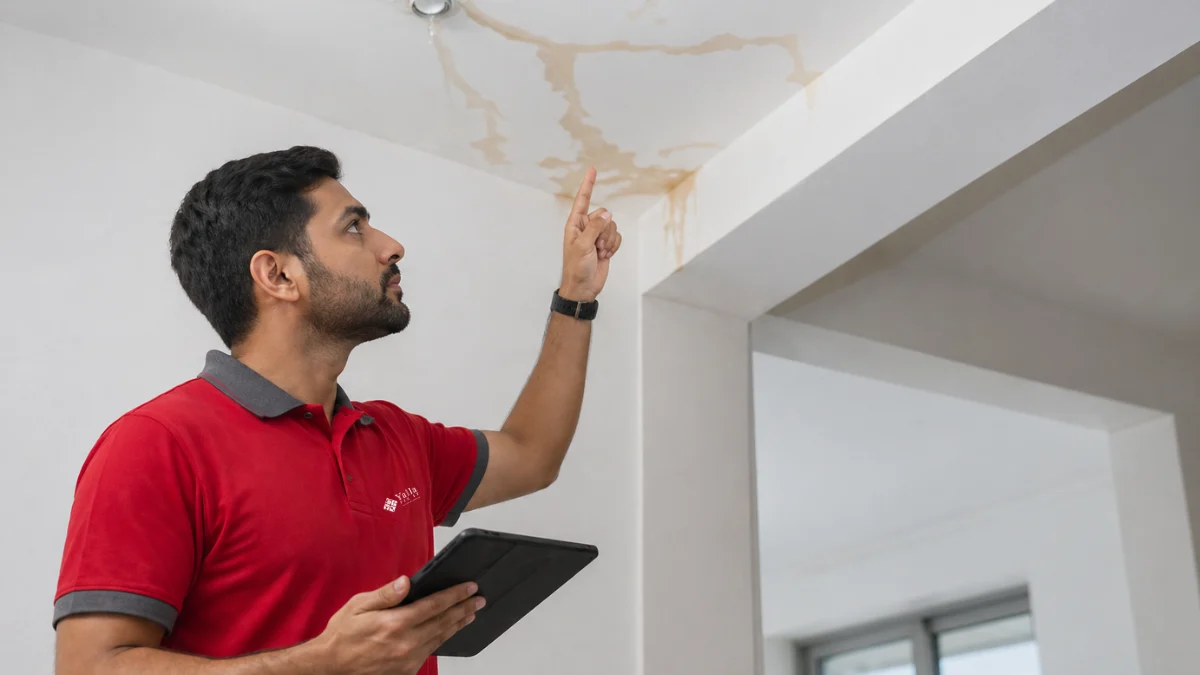
Hidden Water Damage Detection: Thermal imaging across walls, ceilings and wet rooms identifies hidden moisture pathways from external waterproofing failures, plumbing leaks or condensation events. Hidden water damage is one of the highest-frequency surprises in secondary market inspections.
Unauthorised Works Identification: Modifications previous owners have made without authority approval, including structural changes, MEP modifications, partition works and external alterations. Unauthorised works create compliance liability for the new owner and have to be either regularised or reversed.
Compliance Documentation Review: Building completion certificates, fire compliance documentation, electrical compliance certificates, lift safety certification, water tank cleaning records, fire suppression test records. Compliance gaps affect insurance, owners association obligations and resale.
Common Findings on Dubai Secondary Market Inspections
Across secondary market inspections in Dubai, the same defect categories surface as the most common findings. Hidden water damage from past plumbing leaks, balcony waterproofing failures or HVAC condensate issues. The damage is often visually masked by paint or cosmetic repair but identifiable through thermal imaging. Rectification cost typically runs AED 5,000 to 50,000+ depending on extent.
MEP equipment past useful life. HVAC units running 10+ years past commissioning, plumbing risers showing scale and corrosion, electrical panels with outdated breakers or undersized circuits, water heaters past replacement age. The buyer who does not factor MEP replacement into the purchase pricing inherits the capital expenditure schedule. Replacement cost across categories typically runs AED 20,000 to 150,000+ depending on property type.
Unauthorised modifications. Removed walls, modified balcony enclosures, added partitions, MEP changes without certification and external alterations including AC unit relocations or solar installations without approval. Each unauthorised modification creates compliance liability. Regularisation cost varies widely depending on scope and authority approval likelihood.
Cosmetic finish degradation. Tile cracking, grouting failure, paint deterioration, joinery wear, door alignment issues. These items are visible but get under-priced in casual walkthroughs. The diagnostic framework on whether a property is overdue for inspection is set out in the warning signs your property needs an annual maintenance review guide.
How Secondary Market Inspection Maps to Purchase Negotiation
The condition assessment report serves a specific commercial function in the purchase cycle. The report identifies defects, classifies severity, quantifies rectification cost where possible and supports purchase price negotiation. The buyer can negotiate a price reduction equal to the rectification cost of identified defects, request seller-side rectification before completion or walk away from the transaction if the defect profile is operationally unmanageable.
Working example. A buyer is acquiring a 3-bedroom apartment in Dubai Marina at asking AED 3.2 million. Inspection identifies AED 45,000 in hidden water damage, AED 25,000 in HVAC equipment past useful life, AED 15,000 in plumbing rectification, AED 12,000 in unauthorised partition regularisation and AED 8,000 in compliance documentation gaps. Total rectification value: AED 105,000. The buyer negotiates a price reduction or seller-funded rectification covering the AED 105,000 and completes at adjusted pricing. The inspection fee of AED 4,000 returns 25 times over.
Buyers who skip the inspection complete at full asking price and inherit the AED 105,000 rectification schedule. The economic logic is decisively in favour of professional inspection on any secondary market acquisition above AED 1.5 million purchase value. The Yalla Fix It team scopes secondary market inspection against the actual property and supports the buyer through the negotiation cycle. For the wider snagging context, the ultimate guide to property snagging in Dubai covers the comparison framework across snagging and building inspection.
How the Secondary Market Inspection Process Runs in Dubai
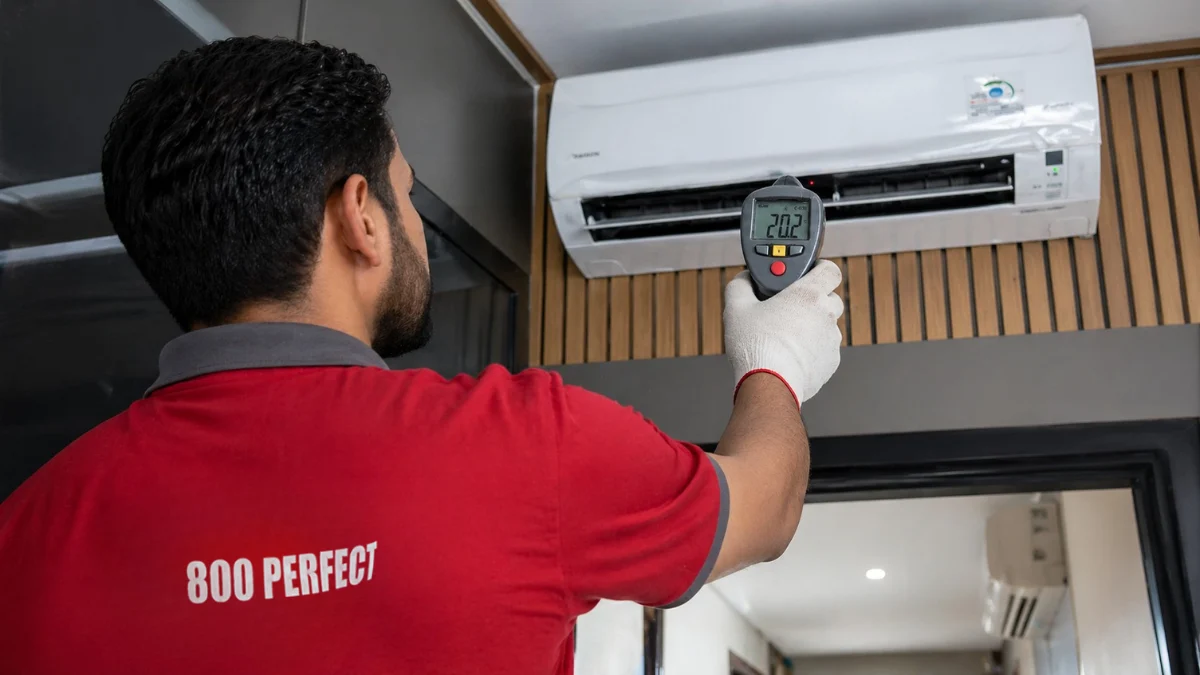
The inspection process runs through five stages. Stage one: scoping. The inspector confirms property type, asset class, inspection objective and target completion date. Pricing is structured against the actual scope rather than a flat per-square-foot rate. Stage two: site inspection. The inspector runs the on-site assessment with a full diagnostic toolkit including thermal imaging, moisture metering, airflow measurement and electrical testing.
Stage three: report drafting. The inspection findings are compiled into the condition assessment report inside 5 to 7 working days of inspection completion. Stage four: report delivery and review session. The report is delivered with a review session that walks the buyer through findings, severity classifications, rectification cost estimates and recommended negotiation positioning. Stage five: optional negotiation support. Where the buyer requests it, the team supports the purchase negotiation with technical clarification of report findings.
Inspection time typically runs 4 to 6 hours on a 2 to 3 bedroom apartment, 5 to 8 hours on a townhouse or villa and 8 hours plus on a commercial unit. The Yalla Fix It team allocates inspection time against actual property specification rather than a flat time block.
How to Engage Secondary Market Inspection in Dubai

Six steps run a credible secondary market inspection on a Dubai property.
- Define inspection objective and confirm the inspection has to complete inside the standard purchase timeline window.
- Receive a line-item proposal with scope, diagnostic toolkit, reporting cadence and pricing.
- Coordinate access to the property with the seller or seller’s agent ahead of the inspection date.
- Run the on-site inspection with a full diagnostic toolkit and document specific buyer concerns flagged at scoping.
- Receive the condition assessment report inside 5 to 7 working days with a review session to walk through findings.
- Use the report to support purchase negotiation, walk-away decision or seller-funded rectification request.
Buyers running all six steps engage secondary market inspection as decision-grade purchase support rather than a tick-box exercise. The Yalla Fix It team runs secondary market inspection across the Dubai market with credentialed inspectors and audit-grade reporting. For the snagging vs building inspection decision, the ultimate guide to property snagging in Dubai sets out the framework cleanly across both services.
Conclusion
Secondary market property inspection in Dubai is the condition assessment a buyer commissions before completing the purchase of a previously occupied apartment, villa or commercial unit. The scope is wider than snagging because the property is past the developer warranty and the rectification cost lands on the buyer. The inspection covers structural condition, building envelope, MEP lifecycle, hidden water damage, unauthorised works and compliance status. Findings support purchase price negotiation, walk-away decisions or seller-funded rectification requests. Buyers who skip the inspection inherit the rectification schedule.
Yalla Fix It runs secondary market property inspection across Dubai apartments, villas and commercial units. The inspection deploys the full diagnostic toolkit, the condition assessment report is structured for negotiation support and the team supports the buyer through the purchase cycle. Pricing is line-item against scope rather than flat package.
To engage secondary market property inspection for a Dubai apartment, villa or commercial unit acquisition, contact the Yalla Fix It team. The team will scope the inspection against the property type and purchase timeline, share a transparent line-item proposal and confirm the booking inside one working day.
Frequently Asked Questions
What is secondary market property inspection in Dubai?
Secondary market property inspection is the condition assessment a buyer commissions before completing the purchase of a previously occupied apartment, villa or commercial unit. The scope covers structural condition, building envelope, MEP lifecycle, hidden water damage, unauthorised works and compliance status. The Yalla Fix It team runs secondary market inspection with credentialed inspectors and audit-grade reporting.
How does secondary market inspection differ from snagging in Dubai?
Snagging is scoped against developer rectification inside the contractual snagging window on properties under developer warranty. Secondary market inspection is scoped against buyer purchase decision on properties past the developer warranty. The rectification cost is not transferable to a developer in secondary market transactions. The Yalla Fix It team scopes each engagement against the actual transaction type.
What does secondary market inspection in Dubai typically find?
Hidden water damage from past plumbing or waterproofing failures, MEP equipment past useful life, unauthorised modifications including removed walls or modified balconies, compliance documentation gaps and cosmetic finish degradation. Total rectification value typically runs AED 30,000 to 150,000+ depending on property type and condition. The Yalla Fix It team documents findings with photographic evidence and severity classification.
How does the inspection report support purchase negotiation in Dubai?
The condition assessment report identifies defects, classifies severity, quantifies rectification cost where possible and supports negotiation positions. The buyer can negotiate a price reduction equal to identified rectification cost, request seller-side rectification before completion or walk away from the transaction. The Yalla Fix It team supports buyers through the negotiation cycle with technical clarification of report findings.
How long does secondary market inspection take in Dubai?
A 2 to 3 bedroom apartment typically runs 4 to 6 hours on site. A townhouse or villa runs 5 to 8 hours. A commercial unit runs 8 hours plus depending on size and complexity. Report delivery follows inside 5 to 7 working days. The Yalla Fix It team allocates inspection time against actual property specification.
How much does secondary market inspection cost in Dubai?
Indicative pricing runs AED 2,500 to 4,500 for an apartment, AED 4,000 to 7,000 for a townhouse or villa and AED 8,000+ for commercial units depending on size. The Yalla Fix It team prices secondary market inspection against actual scope rather than a flat per-square-foot rate.
Should every Dubai secondary market buyer commission inspection?
Any acquisition above AED 1.5 million purchase value benefits decisively from professional inspection because the rectification value typically exceeds the inspection fee by a factor of 10 or more. Buyers acquiring properties below this value should evaluate based on property age, visible condition and personal risk tolerance. The Yalla Fix It team scopes inspection only where the diagnostic toolkit materially improves the purchase decision.
